

You spend $7 on coffee every morning without thinking twice. Multiply that by every workday for the next 20 years, and you’re not looking at a daily habit. You’re looking at a six figure decision.
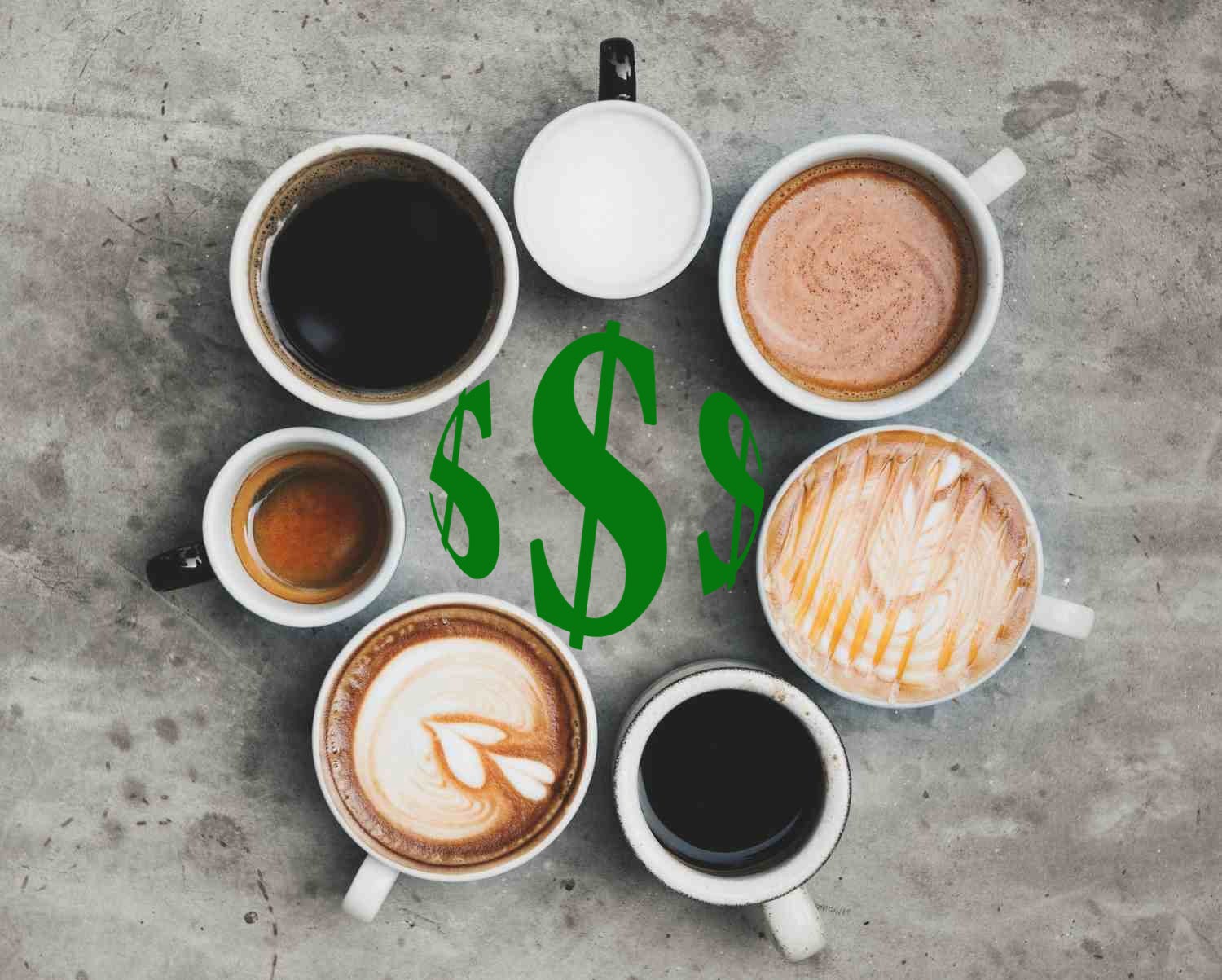
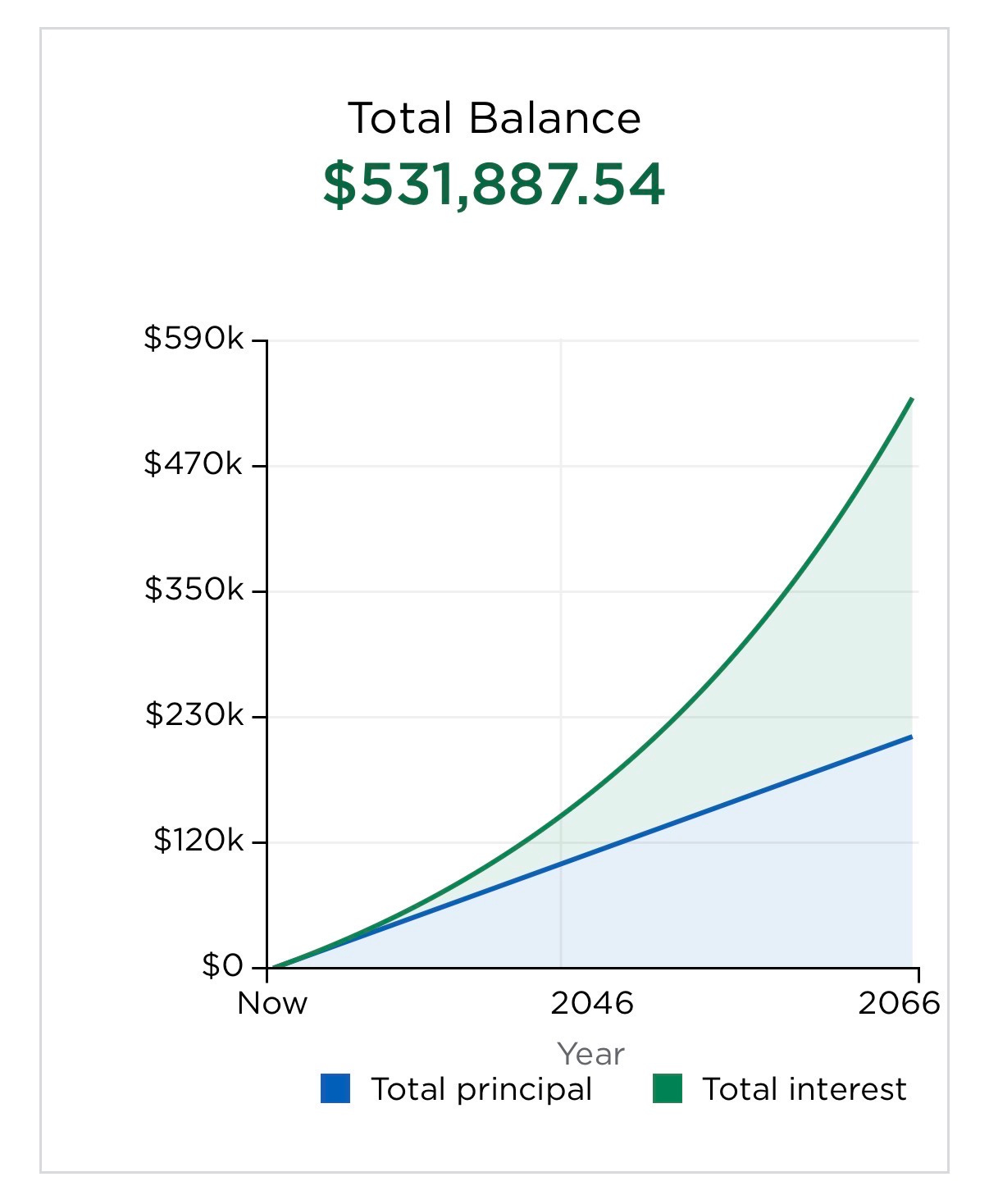
Here’s the math. $7 a day, 5 days a week, comes out to about $1,820 a year. Invested at a 7% average annual return (roughly the long term average of the stock market) for 20 years, that grows to around $105,000. Push it to a full career, 35 to 40 years, and the number climbs well past $300,000.
That gap, between what you actually spent and what you could have had, is called opportunity cost. It’s not the $7 on the receipt. It’s the value of the next best alternative you gave up by spending that money instead of investing it.
Opportunity Cost
Opportunity cost shows up everywhere, not just coffee. Skip the gym to watch Netflix, and the cost isn’t just an hour of your evening, it’s the workout you didn’t get and the progress you didn’t make. Choose one college major over another, and the cost isn’t just tuition, it’s the career path and income you walked away from. Every choice has a shadow choice sitting behind it, and that shadow choice usually carries more weight than people realize.
Before You Panic
None of this means you should quit coffee. A $7 latte a few times a week isn’t going to make or break your financial future, and small touches matter too. The real lesson is more than that: once you understand opportunity cost, you start seeing the hidden price tag on everything, not just what something costs, but what you’re giving up to have it. That’s the question worth asking before any decision, big or small: what else could this be?
What To Do Right Now
Pick one small expense you buy often, coffee, takeout, a subscription you forgot about. Add up how much you spend on it in a year. Then search “compound interest calculator” online, plug that yearly number in, and see what it grows to over 10 or 20 years.
Note: we recommend this calculator
You don’t have to cut the expense out completely. Even putting half of that money into a savings account or simple index fund instead is enough to start working in your favor. The goal isn’t to spend less, it’s to make sure you know where your money is actually going.
The Takeaway
Opportunity cost isn't about feeling guilty every time you buy something. It's about realizing that every choice you make is also a choice you didn't make. Once you see that, you start making decisions differently, not because you have to, but because you understand what's actually at stake.
— WallStreetWagon
Anti caffeine propaganda