


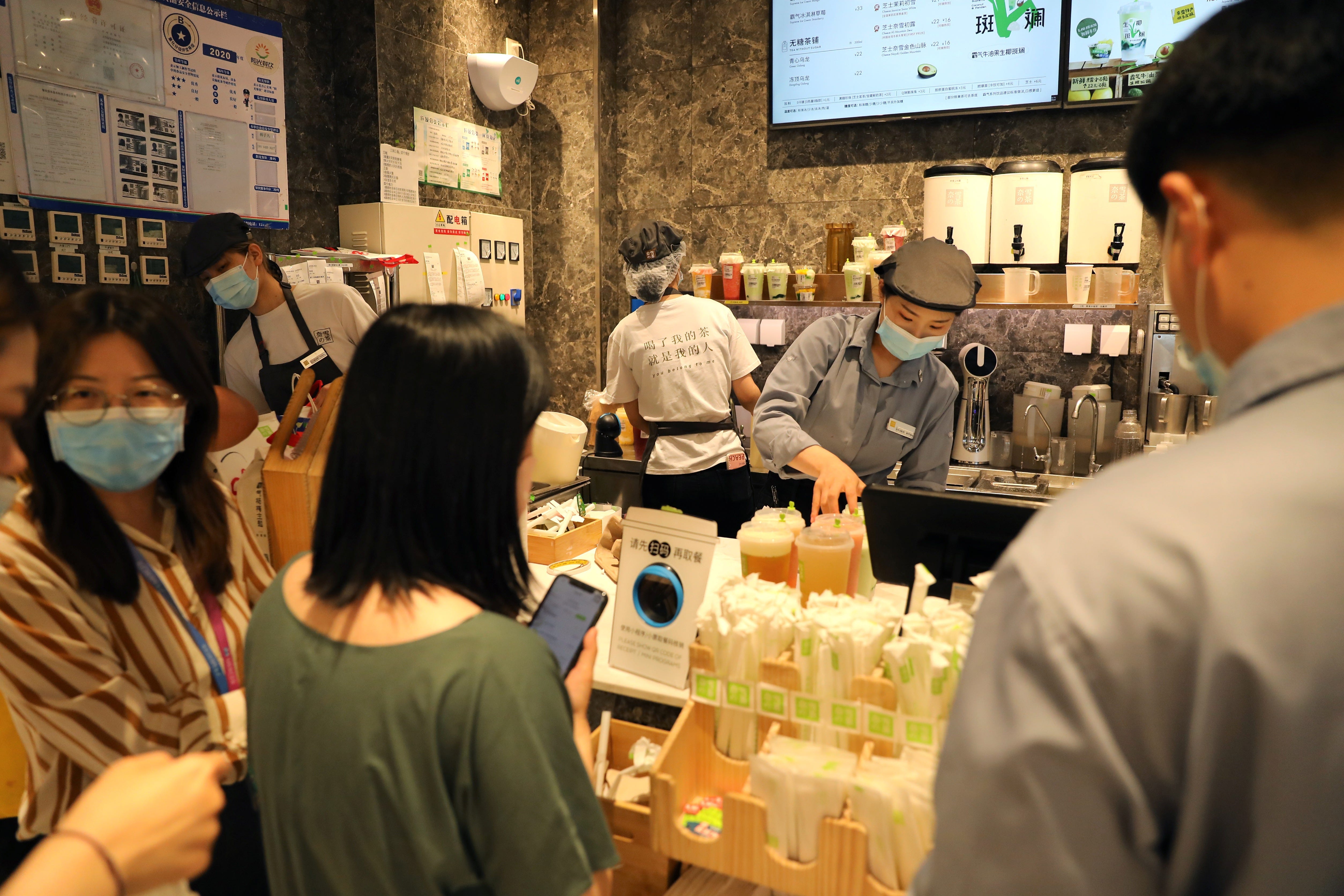
You and your friends are craving boba tea. After all, you live in the Bay Area. Five dollars should be enough, so that’s all you bring. But when you reach the counter, the cheapest drink on the menu is nine dollars. Embarrassed, you realize you’re short, and your friend ends up covering the rest.
Almost everywhere you look, prices have risen. Everyday purchases add up faster, and money doesn’t seem to go as far as it once did.
Why does everything feel more expensive?
The main reason behind this price shift is inflation. Inflation is the increase in prices of goods and services across an economy over time, resulting in a decrease in the purchasing power of money. When inflation happens, the same amount of money buys fewer things than before. Price increases like boba tea appear small but add up with many everyday purchases.
However, inflation doesn’t just affect one or two items: it affects the entire economy. Inflation occurs when several industries such as food, transportation, housing, and services experience rising prices. Because so many categories are affected, the cost of living increases as a whole.
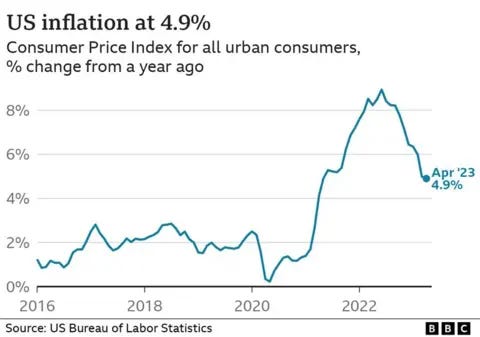
So why do prices rise across the whole economy?
One reason is higher demand. When people have more money to spend, they buy more goods and services. If demand grows faster than supply can keep up, businesses raise prices.
Another reason is rising costs to operate a business. Companies pay for labor, ingredients, energy, and transportation. When these costs increase for a business, they end up passing them to customers through higher prices.
Finally, limited supply can heavily increase prices. If there are shortages of material, products, and transportation capacity, fewer goods are available to buy. Therefore, during a period of high demand and restricted supply, prices rise. This happened during global supply chain disruptions (Example: COVID-19), when shipping delays and slow production pushed prices higher.
When prices rise across many industries at once, the purchasing power of money falls. Even if income stays the same, everyday expenses take a majority of the money people can spend. This is why inflation feels like money is less valuable than before.
Back to the boba
The jump from five to nine dollars didn’t happen randomly. It is the result of higher ingredient costs, labor costs, rent, utilities, and general price levels across the economy.
That single menu price represents a broader economic shift. When many businesses face similar cost pressures and demand conditions, prices rise in every industry. That’s inflation in action.
So the next time something feels suddenly expensive, it’s usually not just that one item changing. It’s purchasing power weakening across the economy, revealed through everyday purchases.
— WallstreetWagon