


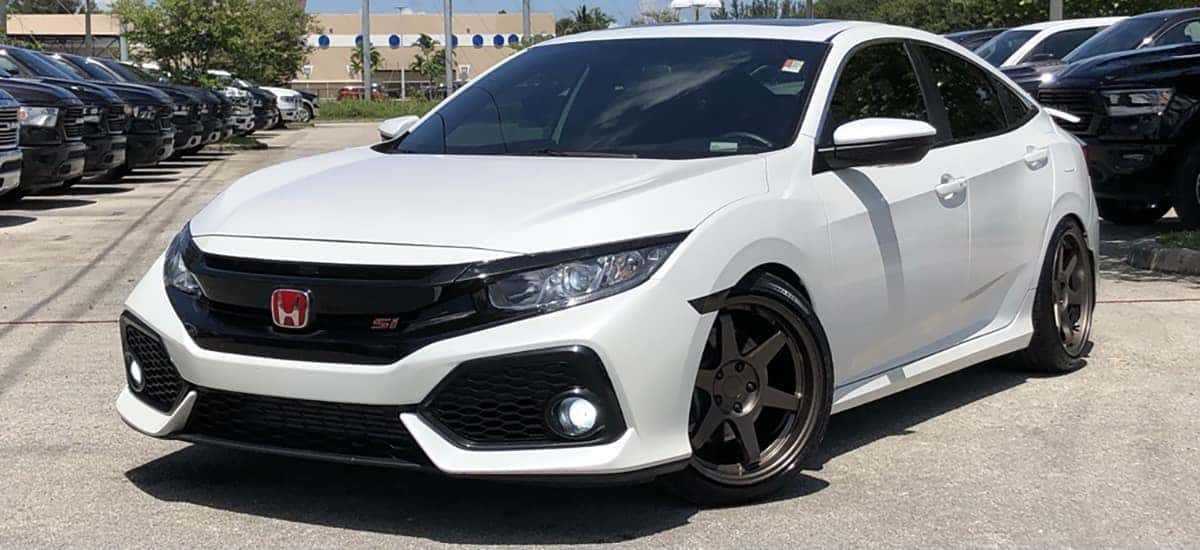
You finally found it. A used Honda Civic, 2018, 60,000 miles, only $8,000. You’ve saved $3,000, more than you’ve ever had at once. A family friend says just take out a loan for the rest. Simple.
You borrow $5,000. Twelve months later, you’ve paid back $5,800.
You never bought anything extra. You never missed a payment. So why did a $5,000 loan cost $800 more?
That’s interest. Once you understand it, you’ll see it hiding inside almost every financial decision you’ll ever make.
What Is Interest Rate?
An interest rate is the cost of borrowing money. When a lender gives you cash today, they charge you a fee for the time their money is in your hands. That fee is interest, calculated through a percentage of what you borrowed.
Think of it like a late fee at the library. The book is free to borrow, but the longer you keep it past its due date, the more you owe. Interest works the same way: the longer you carry a loan, the more it costs you.
It Works Both Ways
Here’s what surprises most people: interest isn’t always something you pay. Sometimes, it’s something you earn.
When you deposit money in a savings account, the bank is essentially borrowing your money — and paying you interest for it. Put $1,000 in an account earning 5% annually, and in a year you have $1,050 without lifting a finger. Leave it for a decade, and thanks to compound interest (earning interest on your interest), that $1,000 becomes over $1,600.
The same compounding effect works in reverse when you’re in debt. Every month you don’t pay off a balance, interest charges stack on top of previous interest charges. What starts small grows fast.
Why Rates Aren’t the Same for Everyone
If you’ve ever wondered why one person gets a 6% loan while someone else gets 18%, it comes down to risk. Lenders are essentially betting that you’ll pay them back. The less confident they are, the more they charge to offset that risk.
A few things shape the rate you’re offered:
Credit score: a track record of how reliably you’ve repaid past debts. Higher score, lower rate.
Loan type: mortgages tend to have low rates because the house backs the loan. Credit cards have high rates because there’s nothing to take back if you don’t pay.
The Federal Reserve: the U.S. central bank sets a benchmark rate that ripples through every bank in the country. When the Fed raises rates to cool inflation (sound familiar?), car loans, student loans, and credit cards all get more expensive.
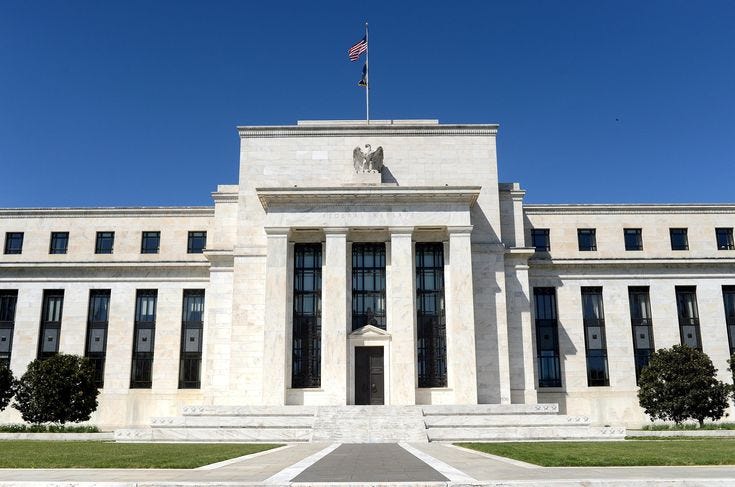
The Federal Reserve
Back to the Civic

That $800 wasn’t a mistake. It was the price of having $5,000 in your hands two years before you would’ve saved it yourself.
Maybe that’s worth it and the car gets you to a job that pays far more than $800. Maybe it’s not, and waiting makes more sense. The point isn’t to avoid borrowing forever. It’s to know exactly what you’re paying before you sign anything.
Interest is one of the most powerful forces in personal finance. It can quietly drain your paycheck for years, or steadily grow your savings while you sleep. Which side it ends up on depends entirely on what you do with it.
— WallstreetWagon
Great!
Very insightful!