

Imagine waking up today and everything is free.
Your morning coffee, your clothes, your shoes, even flights and cars.
All $0.
No catch. No limits. Just free.
Sounds perfect, right?
It wouldn’t work.
The reason is simple: scarcity.
Scarcity
Scarcity is the fundamental economic problem where limited resources are insufficient to satisfy unlimited human wants.
There isn’t unlimited food, unlimited clothes, or unlimited products. If everything were free, people would take as much as they want, as fast as they can.
Imagine sneakers were free. Stores wouldn’t last a day before running out.
Not because people need more sneakers, but because when something is free, there’s no reason to limit how much you take.
This is what economists call scarcity: resources are limited, but human wants are unlimited.
Prices exist to manage that problem. Without them, there’s no system to control how much people take or how goods are distributed.
Real-World Example
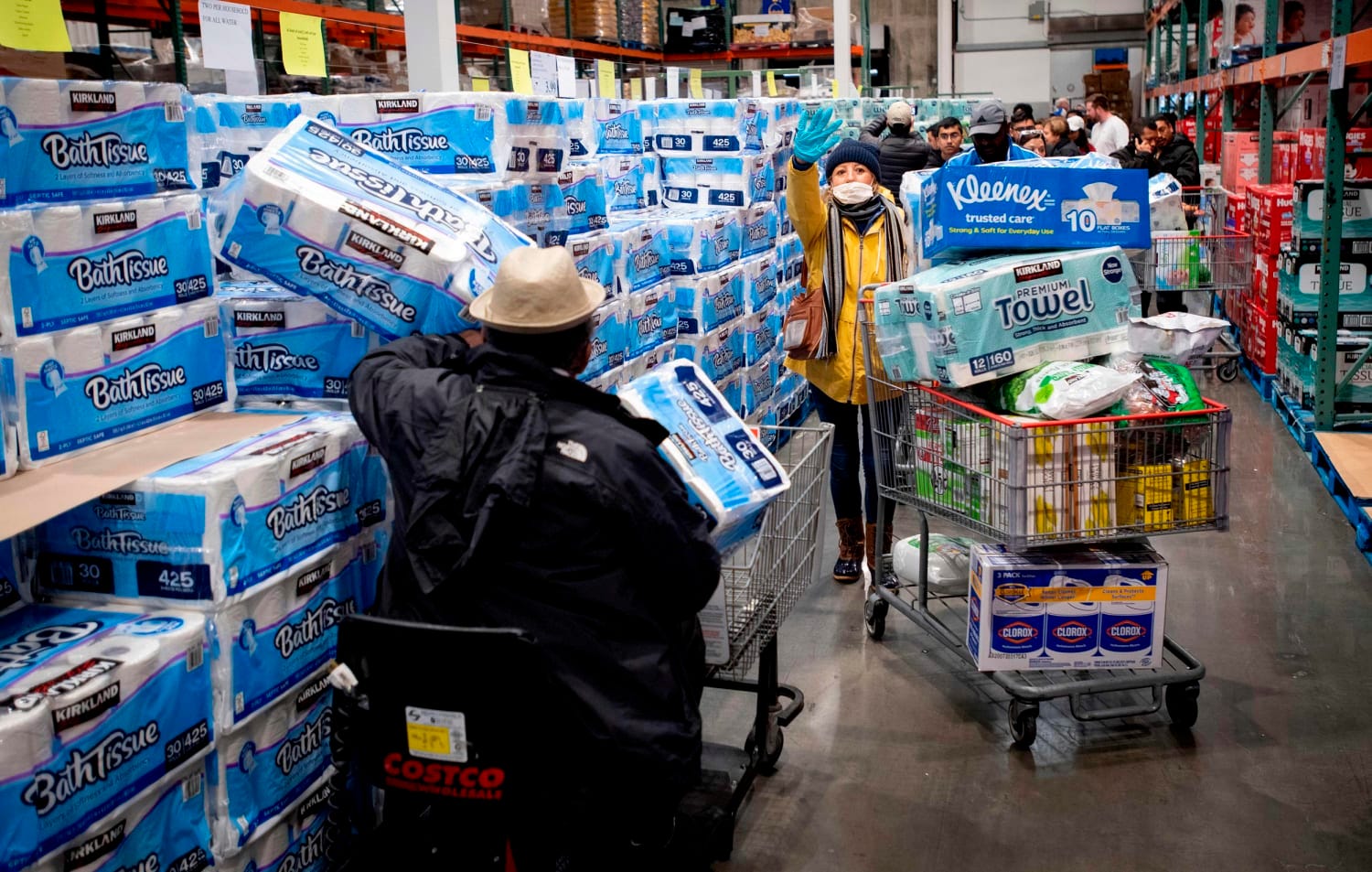
Even if it sounds like a joke, we’ve seen this happen in real life.
During COVID, when people rushed to buy essentials like toilet paper and food, shelves emptied quickly. There wasn’t suddenly less supply, but demand increased as people took more than they needed.
Now imagine that, but for everything.
Why ‘Free’ Doesn’t Solve Problems
Making something free doesn’t create more of it.
The same limited amount of goods still exists, but now more people want them because there is no cost.
Scarcity doesn’t disappear when prices go to zero.
There are still only so many products available, but demand increases because there is no reason to limit how much you take.
This makes the problem worse.
The Real Solution
In economics, solving scarcity isn’t about making things free.
It’s about finding ways to allocate limited resources efficiently so that as many people as possible can access them.
Nothing is truly free.
And if it ever is… it’s probably an April Fools joke.
— WallStreetWagon
i wish 😔