


The War is Over. Kind of.

After more than 100 days of war, the US and Iran finally agreed to a deal on Sunday night. Trump posted that it was “now complete.” Pakistan’s prime minister confirmed a signing ceremony would happen Friday in Geneva. When markets opened Monday morning, everything was different. The deal included a 60-day ceasefire, the reopening of the Strait of Hormuz, the removal of the US naval blockade, and the start of nuclear talks.
Why markets reacted
The Strait of Hormuz is the world’s most important oil highway. About one-fifth of all the oil and gas on the planet passes through it. Since February, it had been shut down because of the war, and that sent energy prices through the roof. The deal didn’t fix everything overnight, experts said it could take months to clear the backlog of ships and get production running again, but just the news that the war was ending was enough to send markets flying. Fear was leaving the market in real time.
Market impact
S&P 500 surged when markets opened
Nasdaq futures climbed +1.8% Monday morning
Brent crude (global oil price) fell about 5% to $82.80 a barrel
Japan’s Nikkei 225 jumped 5.5% in a single day
note: Iran unexpectedly closed the Strait on 6/20, Saturday morning, with Iranian state media accusing the US of ‘breaking the ceasefire’.
Nobody Expected This From the Fed
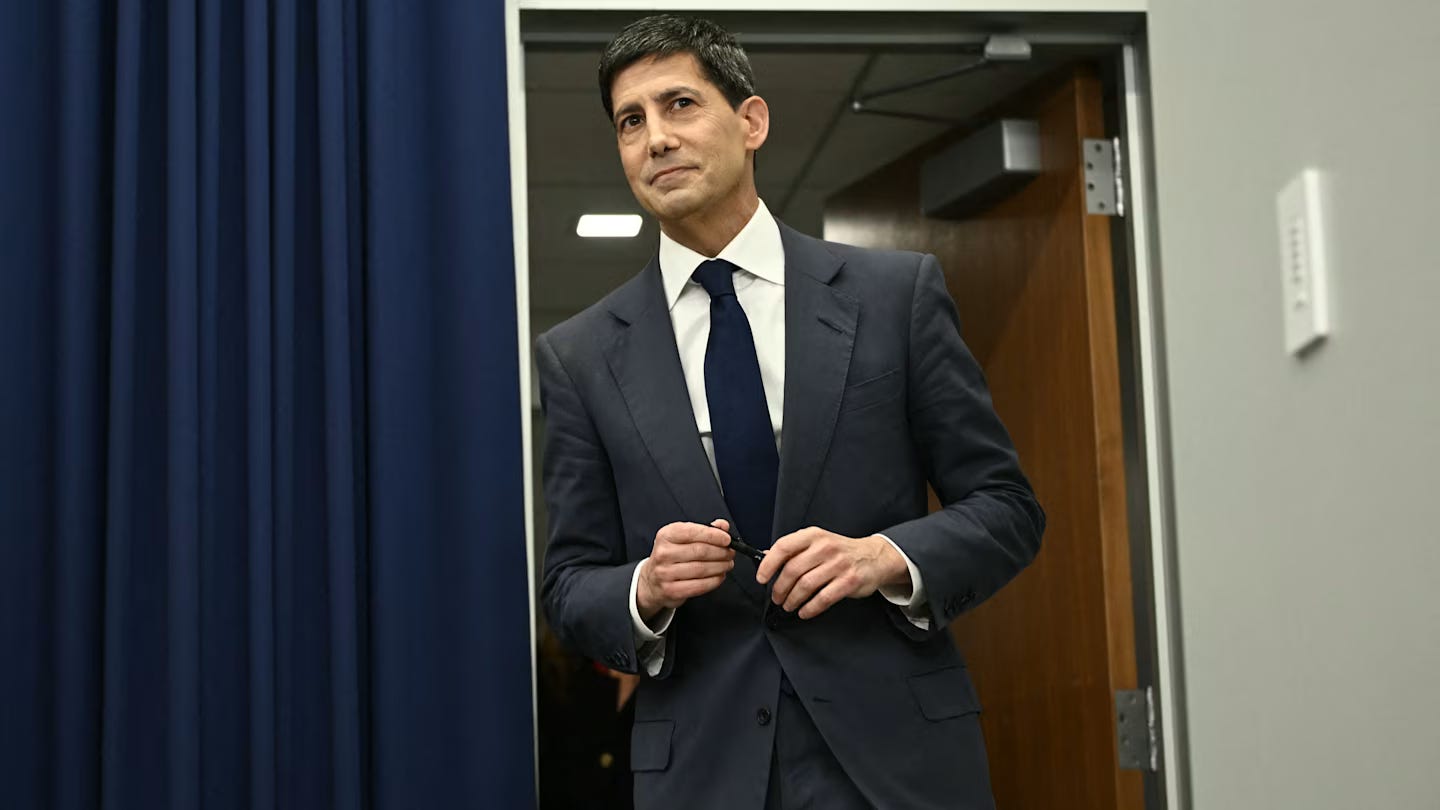
The Federal Reserve kept interest rates where they were at 3.50% to 3.75%. That part was expected. What nobody saw coming was what they said next. The Fed released its dot plot, which is basically a chart showing where Fed officials think interest rates are headed. It showed that nine out of eighteen Fed members now think rates need to go UP before the end of 2026. The new Fed chair, Kevin Warsh, also released the shortest Fed statement in recent news, just 130 words, with zero guidance on what comes next.
Why markets reacted
Investors came into this week thinking the Fed was done raising rates, maybe even about to cut them. The dot plot flipped that on its head. The Fed is now saying inflation is still too high (they raised their inflation forecast from 2.7% to 3.6% for the year), the job market is still strong, and the Iran war made energy prices worse. When the Fed signals it might raise rates, borrowing gets more expensive, company profits shrink, and stocks fall. It was actually the worst single Fed meeting performance for the S&P 500 under any new chair since 1994.
Market impact
S&P 500 dropped sharply after the decision
Nasdaq fell hard on Wednesday
Treasury yields rose as traders priced in the chance of a hike
Fed’s 2026 inflation forecast raised to 3.6%, up from 2.7% in March
Tech Stocks Save the Week
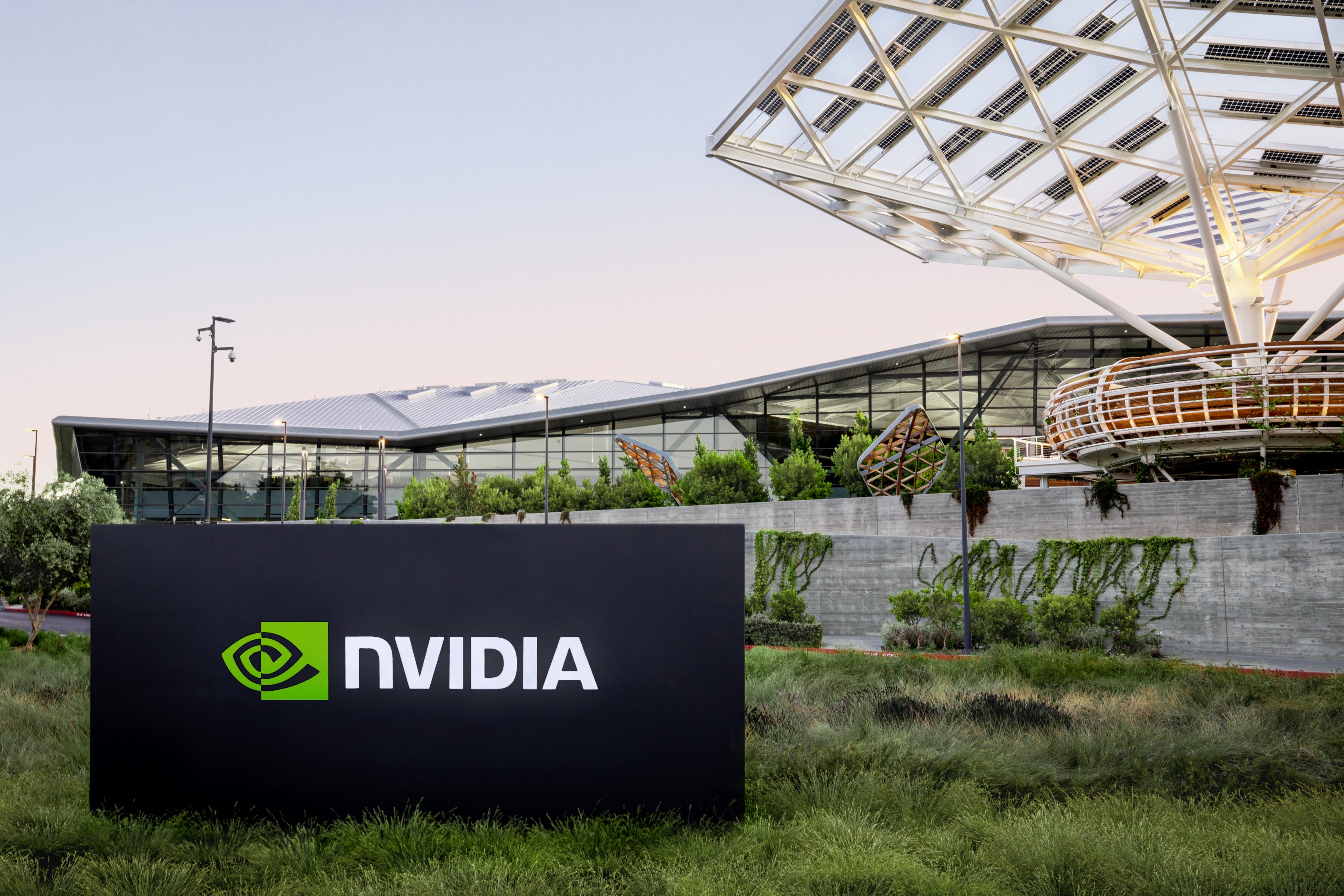
The day after the Fed shock, chip stocks led a comeback. The Nasdaq recovered nearly 2% on Thursday alone. Friday was Juneteenth, a federal holiday, so markets were closed and Thursday was the final trading day of the week. By the time it was over, the S&P 500 actually finished the week up about 0.93%. The Iran rally on Monday, the Fed selloff on Wednesday, and the tech recovery on Thursday basically cancelled each other out.
Why markets reacted
The chip and AI stocks kept bouncing back because investors believe tech companies can grow their earnings fast enough to survive higher interest rates. Even if borrowing costs go up, companies like Nvidia are still printing money from AI spending, and that keeps investors buying. The Geneva signing ceremony for the Iran deal on Friday also helped calm things down heading into the weekend.
Market impact
Nasdaq finished the week +1.91%
S&P 500 finished the week +0.93%
Russell 2000 (small cap stocks) gained +2.12%
VIX (the fear index) sat at 16.88, still a little elevated
Looking Ahead,
Three stories defined this week and none of them are finished. The Iran deal was always fragile and it already proved it: the Strait just closed again. This could mean gas prices come right back. The Fed has nine members ready to hike rates the second inflation stops cooperating. And tech stocks are the only thing holding the market together while both of those play out. Watch oil, watch the next inflation print, and watch whether Nvidia and friends can keep carrying the weight.
— WallStreetWagon