


Trump Attacks the Fed, Markets Panic
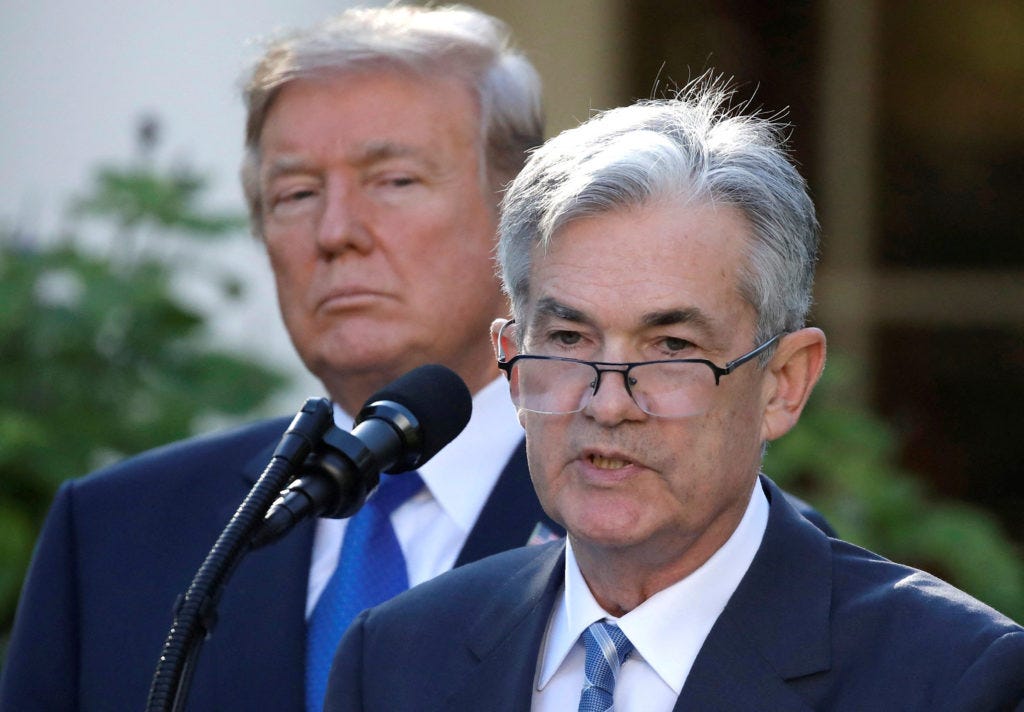
President Trump publicly urged for Fed Chair Jerome Powell to be fired this week, directly demanding the Fed cut interest rates immediately. He called Powell “a major loser” and said his termination “cannot come fast enough.” Markets had never seen a sitting president so openly threaten the independence of the central bank.
Why markets reacted
The Federal Reserve’s independence is one of the foundations of trust in U.S. financial markets. Investors around the world count on the Fed making decisions based on economics, not politics
If the president can fire the Fed chair and install someone who will cut rates on command, it means interest rates could be set for political reasons, not economic ones
This destroys credibility, and foreign investors started pulling money out of U.S. assets entirely, sending the dollar sharply lower
Stocks, bonds, and the dollar all fell simultaneously. This is a rare and alarming sign that investors are losing confidence in U.S. markets as a whole
Market impact
The dollar hit its lowest level in three years
U.S. Treasury bonds sold off as foreign investors increased U.S. debt
Gold surged to record highs above $3,300 as investors fled to safety
S&P 500 fell sharply, erasing most of 2026’s impressive gains
By Friday, the White House walked it back slightly. Trump said he had “no intention” of firing Powell, and markets partially recovered
Tariff Chaos Impacts Corporate Earnings
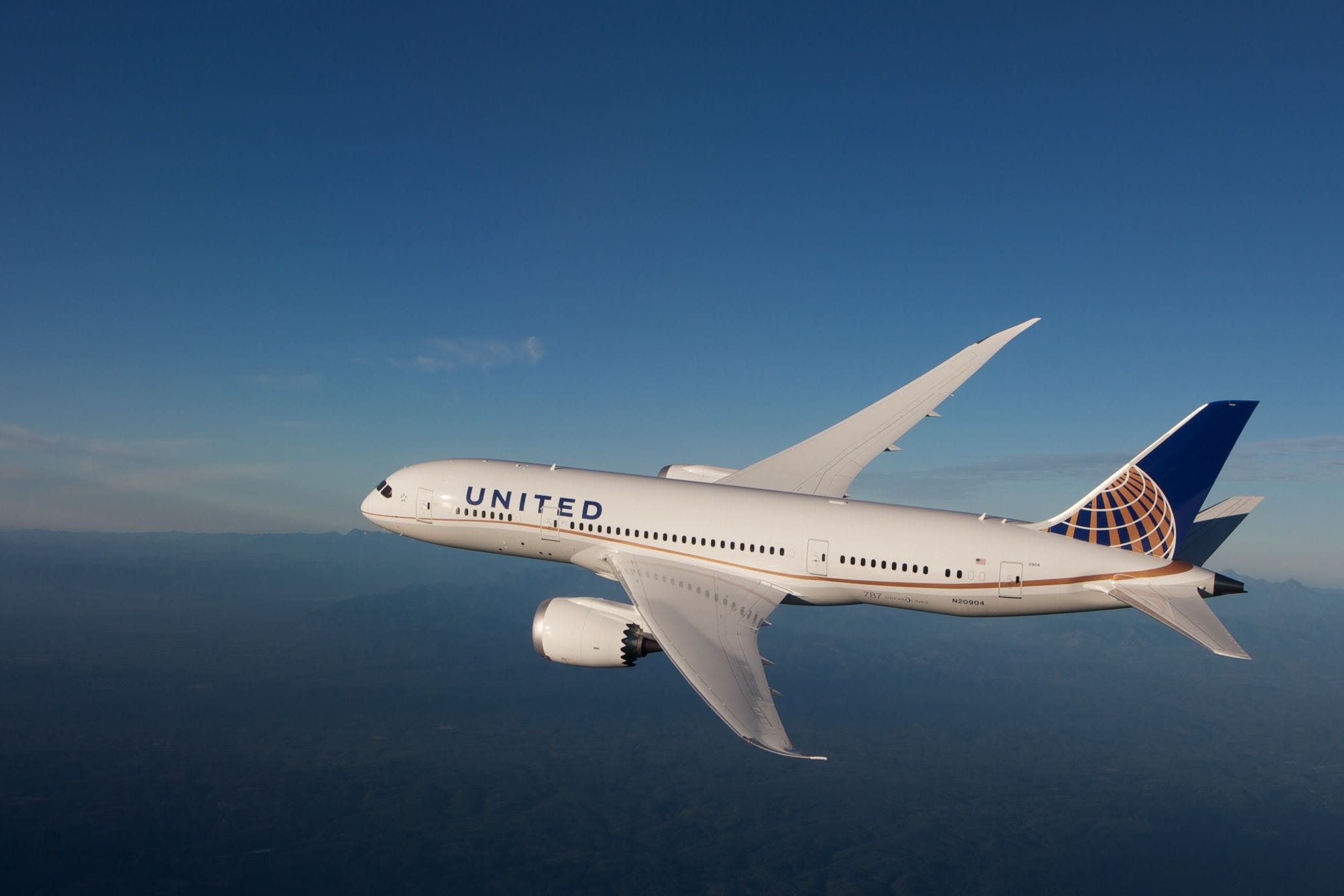
Major U.S. companies reported Q1 2026 earnings this week and the tariff impact was impossible to ignore. Airlines, retailers, and consumer goods were impacted by surging import costs from Trump’s 145% tariffs on Chinese goods. United Airlines withdrew its full-year profit forecast entirely. Several companies said they simply couldn’t predict costs far enough ahead to give investors reliable numbers.
Why markets reacted
The people running these businesses don’t know what’s coming
Higher import costs either get passed to consumers (inflation) or absorbed by companies (lower profits)… either way it’s bad for stocks
China retaliated with 125% tariffs on U.S. goods, hitting agriculture and manufacturing hard
Supply chains that were already stressed from the Iran conflict earlier in the year were now being repriced from scratch
Market impact
Airlines fell 5-8% on the week
Retail, apparel, and electronic stocks underperformed badly
Companies with purely domestic revenue held up better
The earnings season set a worrying tone: the tariff war is no longer just a threat, it’s showing up directly in corporate profits
The Dollar is Breaking Down
The U.S. dollar fell to a three-year low this week. It dropped against the euro, yen, and Swiss franc simultaneously. Normally when stocks fall, the dollar strengthens because investors buy U.S. assets for safety. This week the opposite happened: stocks fell AND the dollar fell. Foreign investors were selling everything American.
Why markets reacted
A weakening dollar signals that global investors are losing confidence in the U.S. as the world’s safe haven. It is a status the U.S. has held since World War II
The combination of Fed independence threats, tariff chaos, and geopolitical instability made U.S. assets look less reliable than they have in decades
A weaker dollar makes imports more expensive, adding another layer of inflation pressure on top of the tariffs
Gold, the Swiss franc, and the Japanese yen, traditional safe havens, all increased as money moved out of dollars
Market impact
Gold hit an all-time high above $3,300
The euro surged against the dollar
Foreign central banks started selling their U.S. bonds, pushing prices down and borrowing costs up
By Friday, a partial Trump retreat on Powell helped stabilize things, but the dollar’s credibility damage is not repaired in a single statement
Looking Ahead,
This isn't over. The confidence that foreign investors lost in U.S. assets this week doesn't come back with one statement from the White House. Watch the dollar, watch bond yields, and watch whether any country starts seriously diversifying away from U.S. debt. That's the slow-moving story underneath all the noise.
Join us and stay tuned for next week’s market brief.
What happens next will determine whether this was a warning, or the beginning of something worse.
— WallStreetWagon
this is very interesting!!!
**Ode to a Week the Markets Forgot to Breathe**
O brief report of trembling screens,
of numbers once so sure, now split at the seams—
you arrived not softly, not as a rumor,
but as a crack in the marble of global consumer humor.
You spoke of power in polished halls,
where interest rates answer no single man’s calls,
yet there he stood, voice sharp as a blade,
calling institutions “losers,” unafraid.
And somewhere in that fracture, belief slipped out the door—
not all at once, but quietly, like footsteps on foreign floors.
The dollar, once anchor, once world’s steady song,
began to feel like it might not belong.
Gold remembered what fear always knows:
when trust leaves early, everything else goes.
It climbed past ceilings it hadn’t touched in years,
reflecting not wealth, but accumulated fears.
Ships kept moving, factories still spun,
but forecasts unraveled one by one by one.
Tariffs like storms with no map or end,
turning every supply chain into something to defend.
And the markets—those restless, watching things—
flinched at the sound uncertainty brings.
Stocks fell not just on numbers alone,
but on the feeling that rules had loosened their tone.
O fragile faith in systems designed to hold,
how quickly certainty can grow cold.
One week you are foundation, eternal, vast—
the next, just another story from a nervous past.
Yet still the world waits, as it always will do,
for the next signal of what is “true.”
For markets forget, and then remember again,
that trust is the quietest form of capital—and the easiest to bend.