


The U.S-China Trade War Gets a Timeout
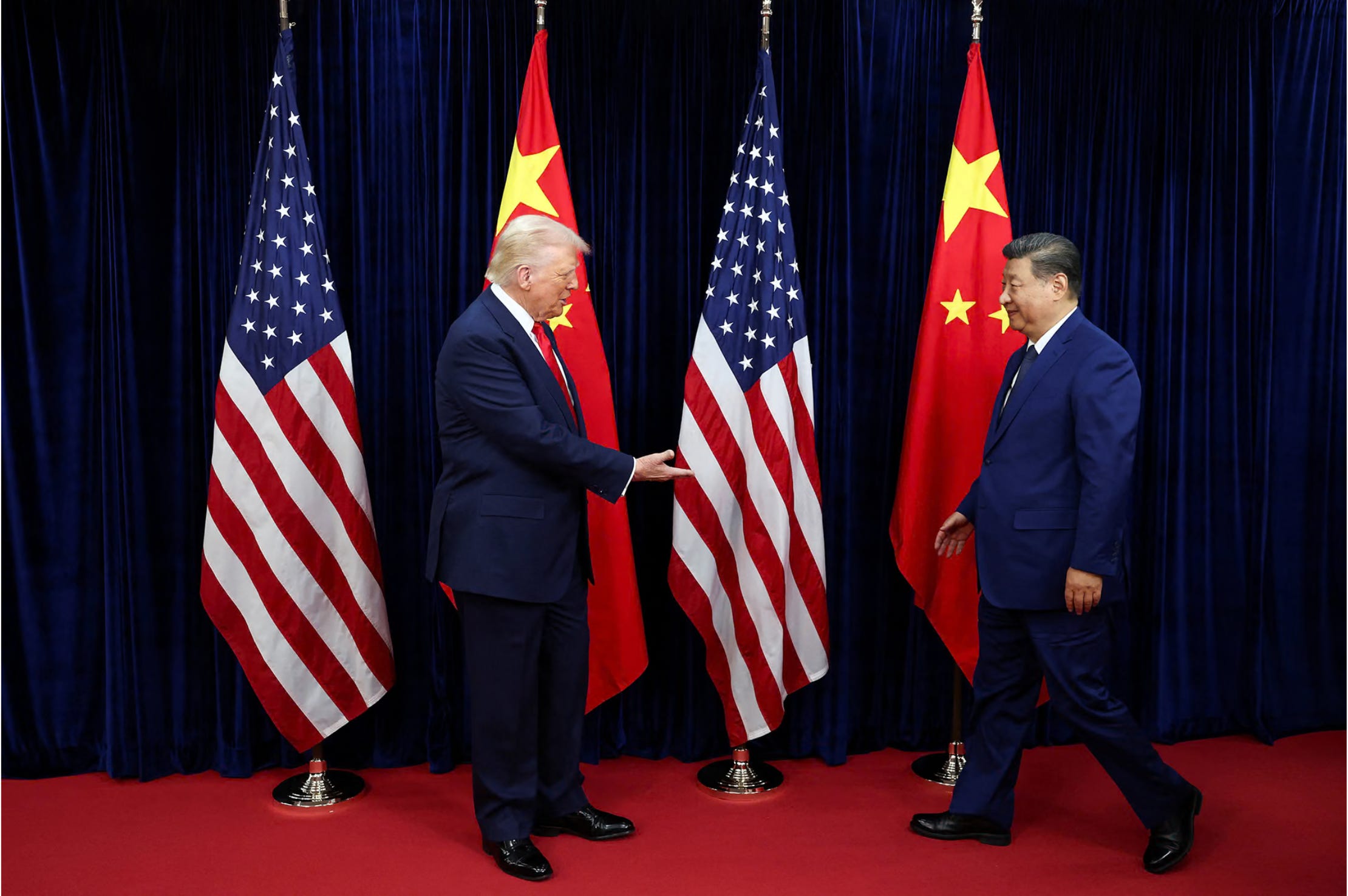
In the biggest trade development of 2026, the U.S. and China agreed to a 90-day tariff pause after negotiations in Geneva. The U.S. dropped its tariffs on Chinese goods from 145% to 30%, and China dropped its retaliatory tariffs on U.S. goods from 125% to 10%. Both sides agreed to keep talking. It’s not the deal you think, but it was the first real de-escalation since the trade war exploded in February.
Why markets reacted
145% tariffs were basically a full trade embargo: American companies couldn’t afford to import from China, and Chinese companies couldn’t sell to the U.S
The pause meant supply chains could breathe again. Retailers, manufacturers, and tech companies that depend on Chinese components got immediate relief
Investor confidence spiked because the worst-case scenario, a complete decoupling of the world’s two largest economies, was taken off the table… at least temporarily
It also signaled that both sides still want to negotiate, which markets had been desperate to see
Market impact
S&P 500 surged over 3% in a single day: one of its best days of the year
Nasdaq jumped over 4% as tech stocks, most exposed to China supply chains, led the rally
The dollar strengthened as confidence in U.S. assets partially recovered
Retailers like Nike, Apple, and consumer goods companies responded positively
Oil ticked up on improved global trade
Trump Can’t Control the Fed
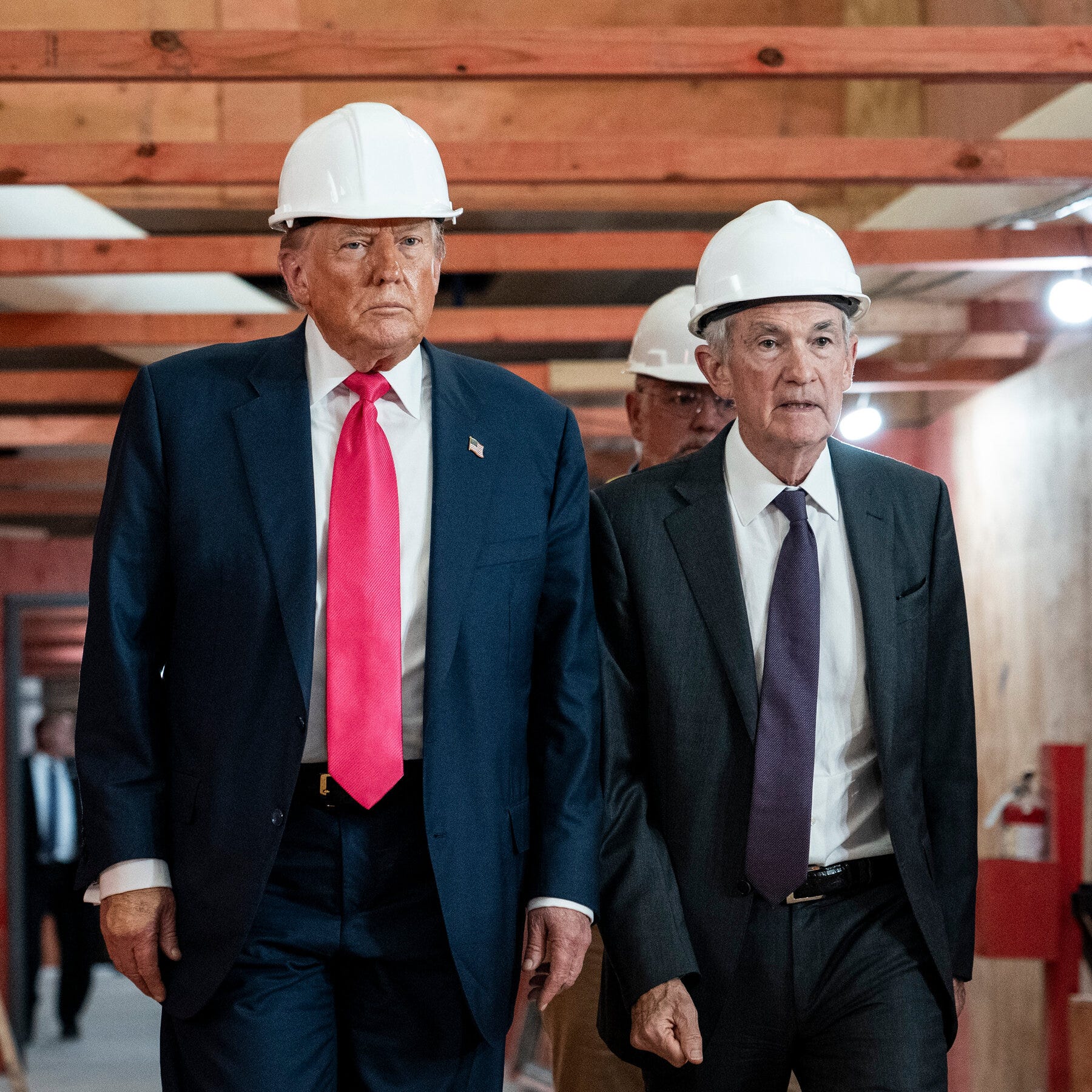
The Federal Reserve met this week and held interest rates steady, keeping the federal funds rate unchanged. What mattered more than the decision itself was the tone. Fed Chair Jerome Powell was straight-forward and confident, pushing back on political pressure from the White House and reaffirming the Fed’s independence. After weeks of Trump publicly attacking him, Powell’s calm demeanor was itself a market signal.
Why markets reacted
Markets had been pricing in chaos because a Fed chair under political pressure making erratic decisions
Powell holding firm and speaking clearly reassured investors that the Fed is still operating independently, which is essential for market stability
He acknowledged the tariff uncertainty but said the Fed would wait for actual economic data before cutting rates, living by no panic, no politics
That steadiness, combined with the China trade pause, gave investors two reasons to buy in the same week
Market impact
Bond markets stabilized, Treasury yields pulled back slightly as panic diminished
Financial stocks rose, with investors less uncertain
Rate-sensitive sectors like real estate got a modest boost
The VIX fear index dropped sharply from its recent highs: markets are visibly calm
Tariffs, War, and Somehow More Jobs

The April jobs report landed Friday and surprised almost everyone. The U.S. economy added more jobs than expected despite the tariff chaos, trade uncertainty, and geopolitical noise that dominated the previous weeks. The unemployment rate held steady. It wasn’t a blowout number, but after February’s shocking job losses it was enough to shift the narrative from recession fear to some optimism.
Why markets reacted
A stronger than expected jobs report means consumers still have income, which means they’re still spending… and consumer spending is about 70% of the U.S. economy
It also reduced immediate pressure on the Fed to cut rates as an emergency measure, giving them room to be patient
Combined with the China trade pause and Powell’s steady hand, the jobs report completed a rare triangle of good news in a single week
Investors who had been sitting on cash waiting for clarity finally had three reasons to get back in
Market impact
Markets closed the week strongly green across the board
The S&P 500 posted its best weekly gain since November
Consumer discretionary and retail stocks outperformed
Gold pulled back slightly as safe-haven demand eased: a sign investors felt less scared
The week ended with Wall Street cautiously optimistic heading into May earnings season
Looking Ahead,
After weeks of chaos, Fed attacks, tariff explosions, a dollar in freefall, May 4-8 was the first week in months where multiple things went right at the same time. The China pause, a steady Fed, and a solid jobs report don’t solve every problem. Tariffs are still at 30%, the Iran situation hasn’t resolved, and the 90-day clock is already ticking. But for one week, markets finally took a breather.
— WallStreetWagon