


James and Olivier graduate from LFSF on the same day. Same high school, same city, same first job at the local In-N-Out making $19 an hour. A year in, they both decide it's time. No more Uber charges eating their paychecks. They're getting a car.

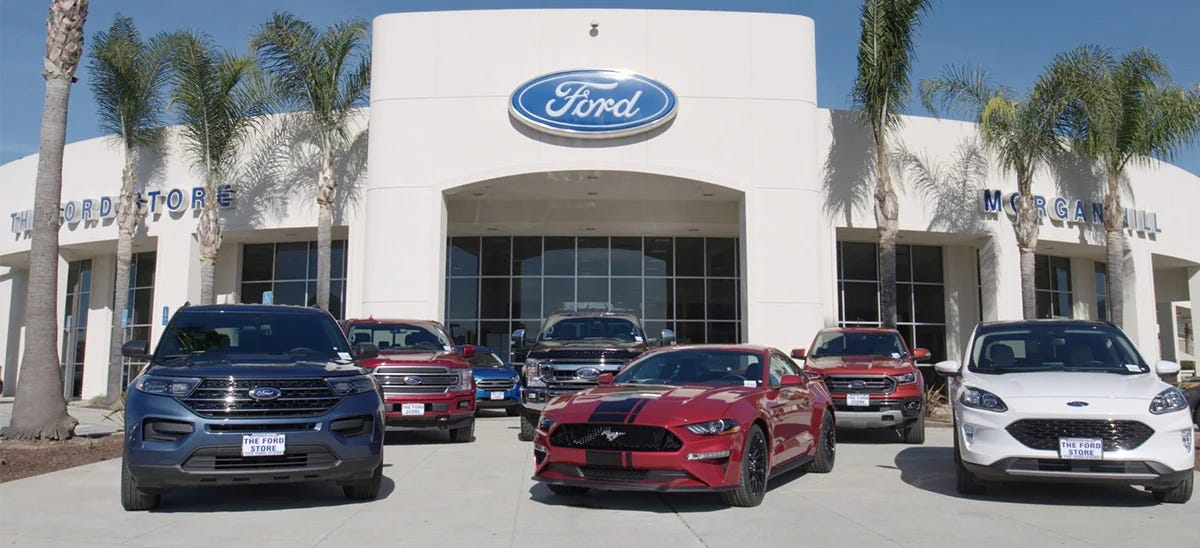
They walk into the same dealership, two weeks apart. Same model. Same year. Same color. A 2023 white Ford F150. The sticker price is identical. The down payment is identical. They both get approved.
Olivier drives off paying $310 a month.
James drives off paying $475 a month.
Same car. Same income. Same dealership. $165 more every single month. It’s not because James negotiated badly, not because of a hidden fee, not because of anything that happened in that dealership. Because of a number neither of them had ever talked about, sitting quietly in a database somewhere, that one of them had been building without knowing it and the other had been ignoring completely.
That number is your credit score.
What Is a Credit Score?
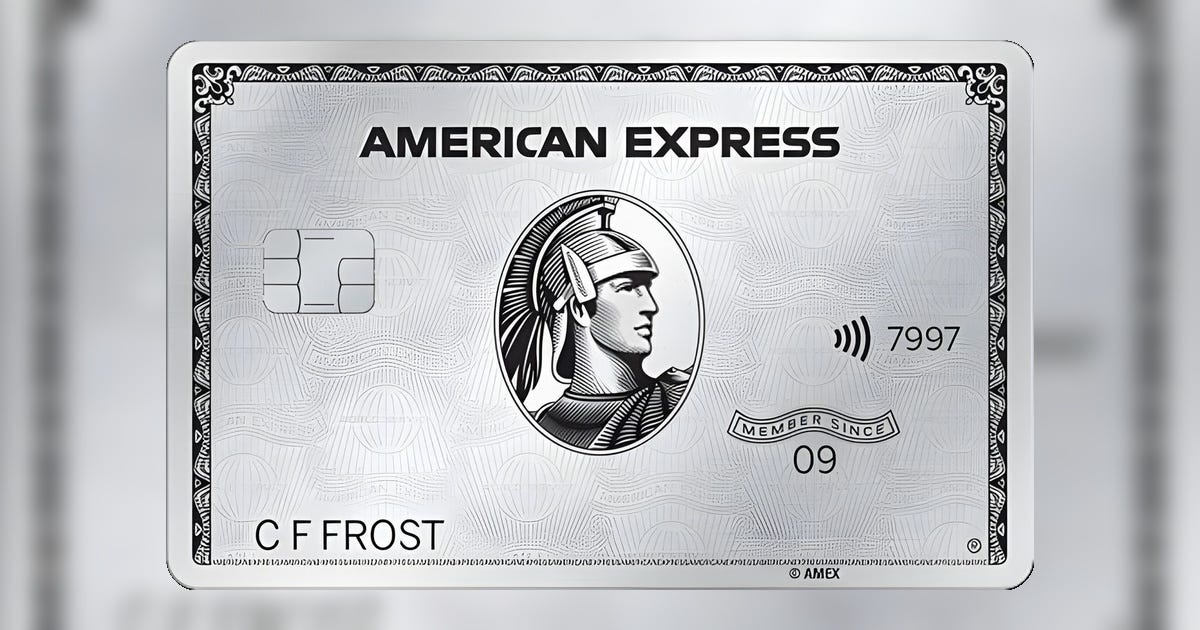
A credit score is a three-digit number, typically between 300 and 850, that summarizes how reliably you’ve handled borrowed money in the past. The higher the number, the more trustworthy you look to lenders. The more trustworthy you look, the less they charge you to borrow. In their eyes, you’re a safer bet.
Think of it like a reputation score, except instead of tracking whether you’re a good friend or a hard worker, it tracks one thing only: do you pay people back on time?
Every time you borrow money and repay it (ex: a credit card, a phone plan, a student loan), it gets recorded. Do it consistently and your score climbs. Miss payments, max out cards, or never borrow at all, and your score either drops or simply doesn’t exist.
That last part is the one that catches most people off guard.
The Invisible Problem
Here’s what nobody tells you at 18: doing nothing is not the same as doing everything right.
If you’ve never had a credit card, never taken out a loan, never financed anything: your credit score isn’t zero. It doesn’t exist. And to a bank, a landlord, or a car dealership, no history looks almost as risky as bad history. You’re an unknown. And unknowns get charged more.
James had never borrowed money. Never missed a payment because there were no payments to miss. Responsible by every normal definition. But the system had no evidence of that, so it charged James for the uncertainty.
Olivier had opened a student credit card freshman year, used it for gas and groceries, and paid it off every single month. Never carried a balance. Never paid a dollar in interest. Just built a quiet track record over 12 months that said: this person pays what they owe.
That track record was worth $165 a month at the dealership. Over a five-year loan, that’s almost $10,000.
What Actually Goes Into It
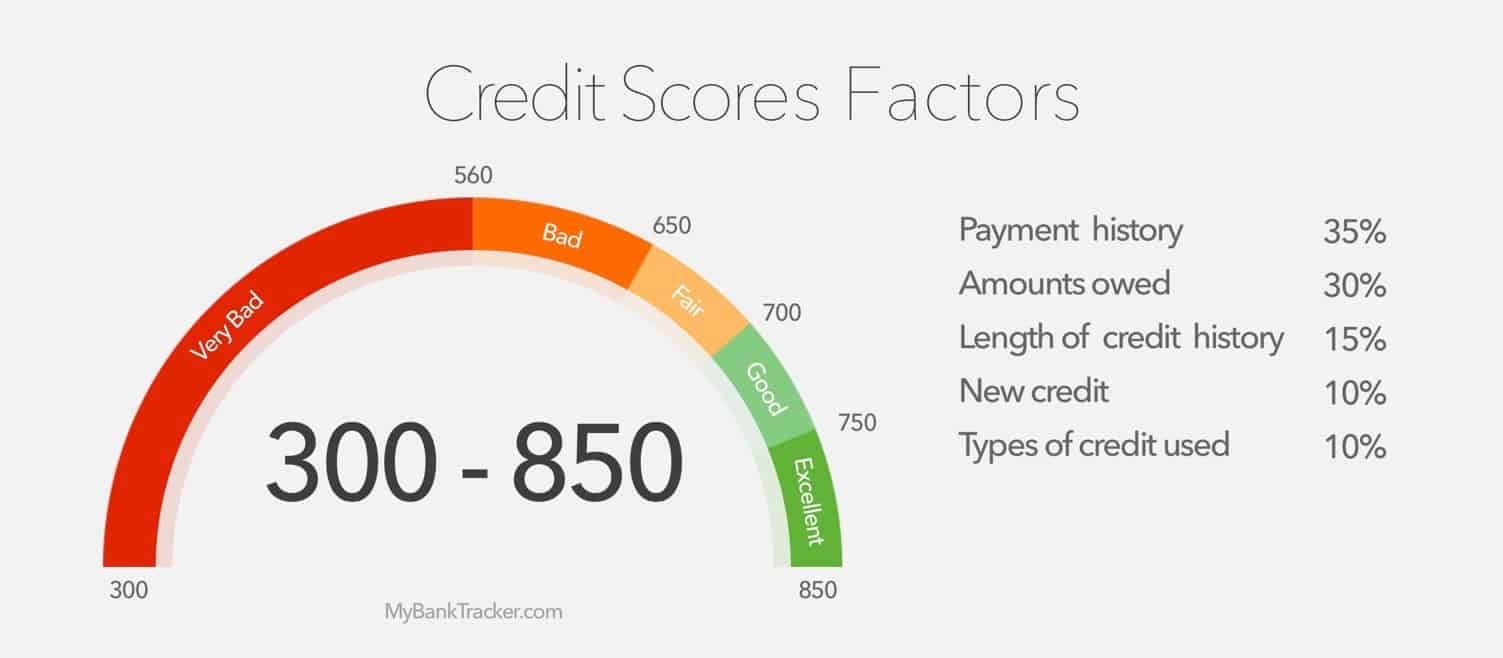
Your credit score is calculated from five main factors:
Payment history: the biggest one. Do you pay on time, every time? This alone is 35% of your score.
Credit utilization: how much of your available credit you’re actually using. Maxing out a card hurts you even if you pay it off. Stay under 30%.
Length of credit history: how long your accounts have been open. Older is better, which is why starting early matters more than most people think.
New inquiries: every time you apply for credit, it gets checked. Too many applications in a short window looks desperate.
Credit mix: having different types of credit (a card, a loan) shows you can handle both.
The Flip Side
Just like interest, a credit score isn’t only something that costs you. Used right, it saves you.
A score above 750 can get you a mortgage rate that saves you hundreds per month compared to someone at 620… on the exact same house! It can be the difference between getting approved for an apartment in a city where landlords check everything, or getting turned down before you even tour it. Some employers run credit checks before hiring, especially in finance.
The same number that quietly cost James $10,000 on a car can quietly save someone else $40,000 over the life of a home loan.
Back to the Dealership
Olivier didn’t know any of this was happening in real time. Didn’t walk in thinking about credit scores. Just happened to start building one early, without realizing how much it would matter later.
James left the dealership with the same car, same job, same life… and a lesson that cost $165 a month to learn.
The good news is that credit scores aren’t permanent. They move. Pay on time, keep balances low, let time do its thing and the number climbs. James’s score will look completely different in two years.
But two years is two years.
The best time to start building credit is before you need it. A student card with a $500 limit, used once a month for something you were already going to buy, paid off in full. That’s it! Boring, quiet, and worth thousands before you’re 25.
Your credit score is already being written. The only question is how you write it.
— WallStreetWagon
take that james
very entertaining