

Lately, the news has been pointing to one thing… the job market is starting to slow down.
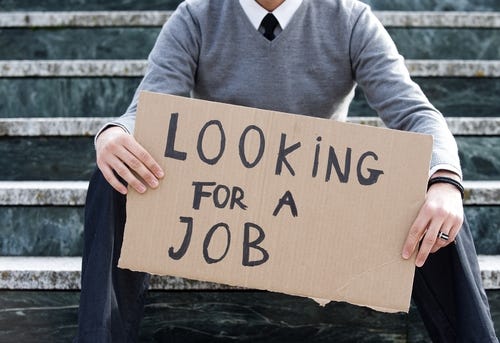
The economy isn’t just numbers on a screen. It shows up in a place that affects everyone: jobs.
When the economy is thriving, companies are hiring. When it slows down, hiring stops and jobs become harder to find.
This is what economists track through something called unemployment.
What is unemployment?
Unemployment is the percentage of people who are actively looking for a job but cannot find one.
It is one of the most important indicators of how the economy is doing.
Low unemployment means a strong economy
High unemployment indicates a weaker economy
Why do unemployment rates change?

Unemployment rises and falls depending on the economy.
When the economy is growing:
Businesses expand
Demand increases
Companies hire more
Unemployment goes down
However, when the economy slows:
People spend less money
Businesses earns less
Hiring slows or stops
Unemployment rates go up
The 3 types of unemployment
Not all unemployment is the same:
Frictional: people between jobs, this is normal
Structural: workers do not have the right skills
Cyclical: caused by a slowing economy
The most important one for understanding the economy is cyclical unemployment.
Why it matters
Jobs drive the entire economy.
If people have jobs:
They earn money
They spend money
Businesses grow
If people lose jobs:
Spending drops
Businesses struggle
The economy slows
Why investors watch it
Job data is released regularly and markets react quickly.
Strong job market means the economy is solid but inflation can rise
Weak job market signals a slowdown or possible recession
The job market is one of the clearest signals of where the economy is heading.
A real-world example
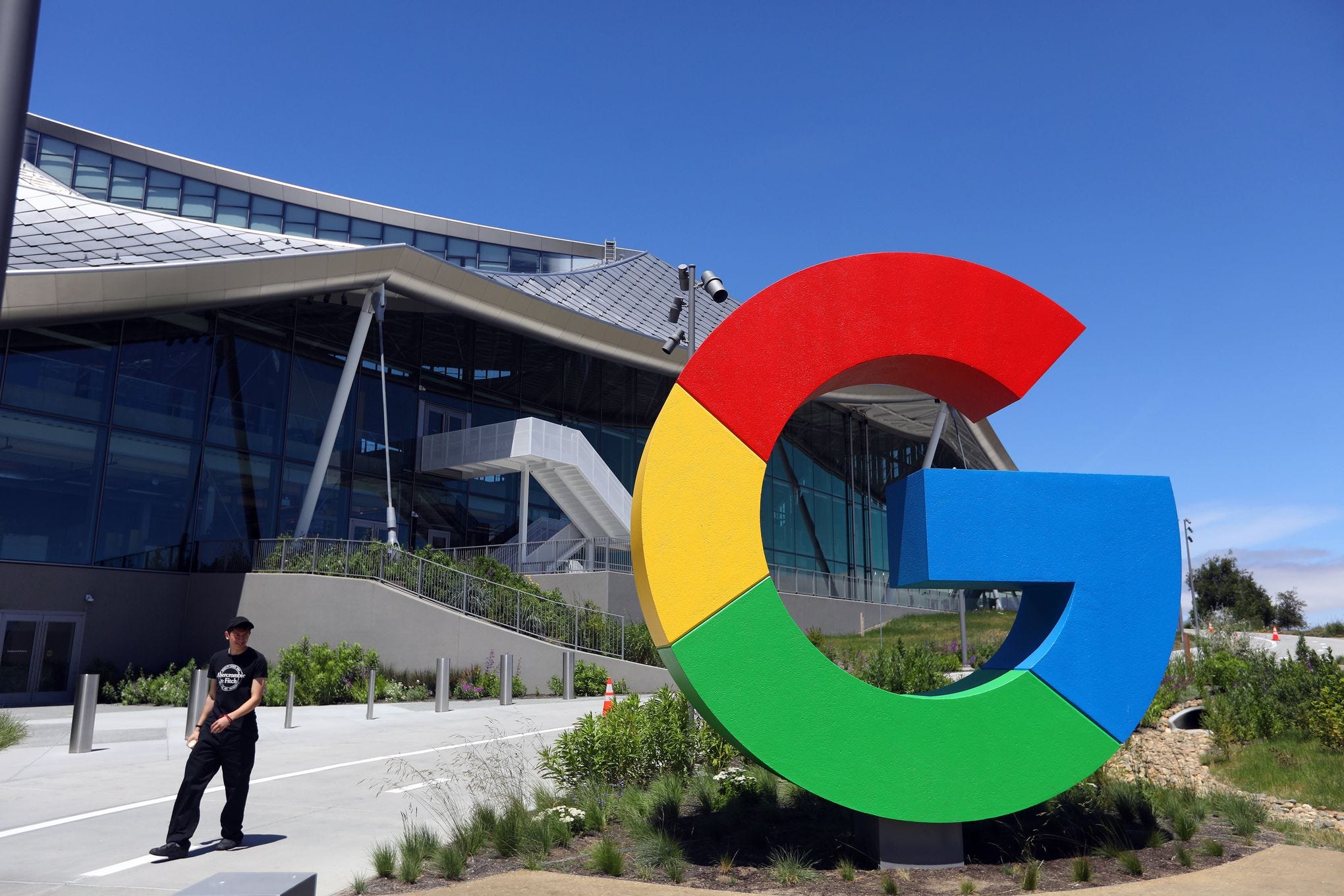
Unemployment can be seen in the recent wave of tech layoffs. Companies like Google, Amazon, and Meta cut thousands of employees after interest rates rose and economic growth slowed.
This shows that unemployment isn’t random: it’s closely linked to the economy. When businesses expect less growth, they hire less or cut jobs, increasing unemployment.
— WallStreetWagon
One of the most pressing challenges facing our world today
is not just unemployment
but the quality of jobs being created.
Across many economies, job creation is not keeping pace
with the growing number of young people entering the workforce.
As a result, youth unemployment remains high,
and even educated graduates are struggling
to find stable, well-paying opportunities.
But the issue goes deeper.
Much of today’s employment growth is concentrated in:
Gig work
Informal labor
Low-security service jobs
These roles often lack:
Stability
Social protection
And long-term career pathways
This creates a dangerous imbalance:
A generation that is educated. but underemployed,
connected. but economically insecure.
Excellencies,
This is not just a labor market issue.
It is a social and economic risk.
Because when opportunity does not keep pace with aspiration,
the consequences can include:
Rising inequality
Social frustration
And long-term economic stagnation
The path forward requires more than job creation.
It requires quality job creation.
We must focus on:
Building industries that generate sustainable employment
Investing in skills aligned with future economies
And ensuring that growth translates into real opportunity
Because the strength of our economies
will ultimately be measured not by output alone
but by the opportunities we create for our people.
very interestingggg