


Bitcoin Ignores the U.S. Government
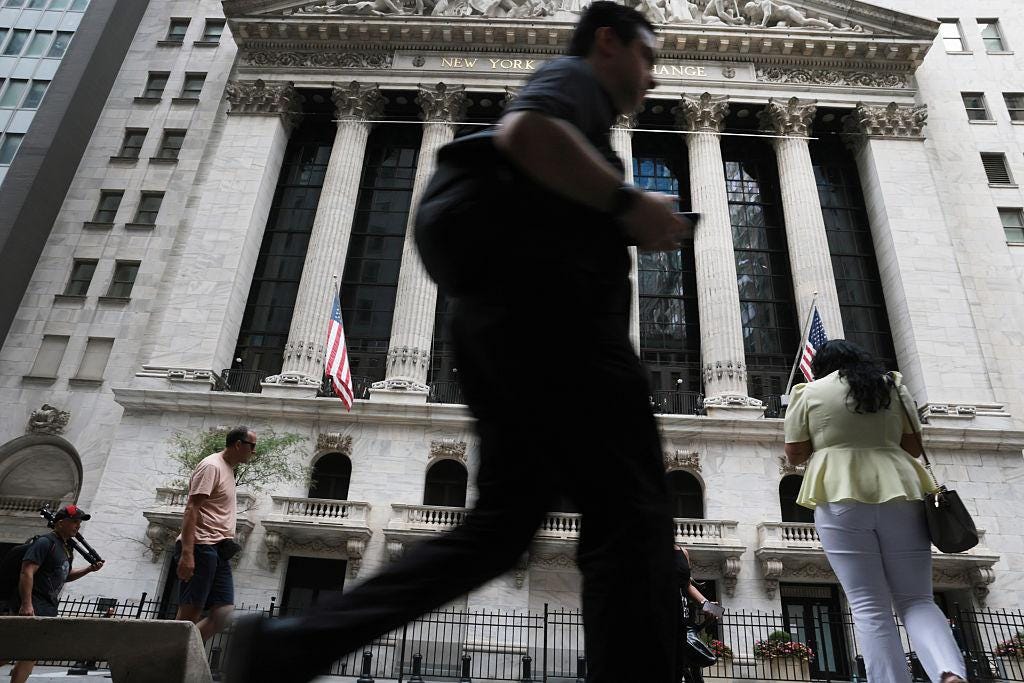
The Senate’s CLARITY Act, the bill meant to finally give crypto regulatory rules, hit an obstacle in its first floor vote this week. In past years, that kind of setback would’ve sent bitcoin sliding. This time it barely dipped, then climbed right back and pushed higher into Friday like nothing happened.
Why markets reacted
For a while, crypto traded like its price was basically a bet on whether Washington would legitimize it. This week suggested that’s changing. Big holders like ETFs and corporate treasuries have already bought in regardless of what Congress does, so a bill stalling out matters less than it used to. It’s less “crypto needs permission from DC” and more “crypto’s going to do its thing either way.”
Market impact
Senate’s first procedural vote on the CLARITY Act failed to advance
Bitcoin gained ground into Friday despite the setback
Reinforces that crypto price action is decoupling from short term political headlines
America’s Biggest Homebuilder Just Had a Bad Quarter

Lennar reported Q3 earnings on Wednesday and it wasn’t pretty. EPS came in at $1.19, down from $2.29 a year ago, and revenue fell almost 9% to $8.05 billion, missing what analysts expected on both lines. The stock dropped to a fresh 52 week low, now sitting more than 40% below where it traded last year.
Why markets reacted
Mortgage rates are hovering near 7%, and that changes the math on buying a house fast. Higher borrowing costs mean fewer people can afford homes, so builders either sell fewer of them or slash prices to move inventory, and either way profits take a hit. Lennar is the biggest public homebuilder in the country, so when its numbers are this weak, it’s less a story about one company and more a signal about how much rate policy is actually squeezing regular people’s finances right now.
Market impact
EPS of $1.19, down 48% year over year
Revenue of $8.05 billion, missed estimates and fell almost 9% YoY
Stock hit a fresh 52 week low, down over 40% from last year’s high
Japan Raises Rates… Its Currency Falls Anyway
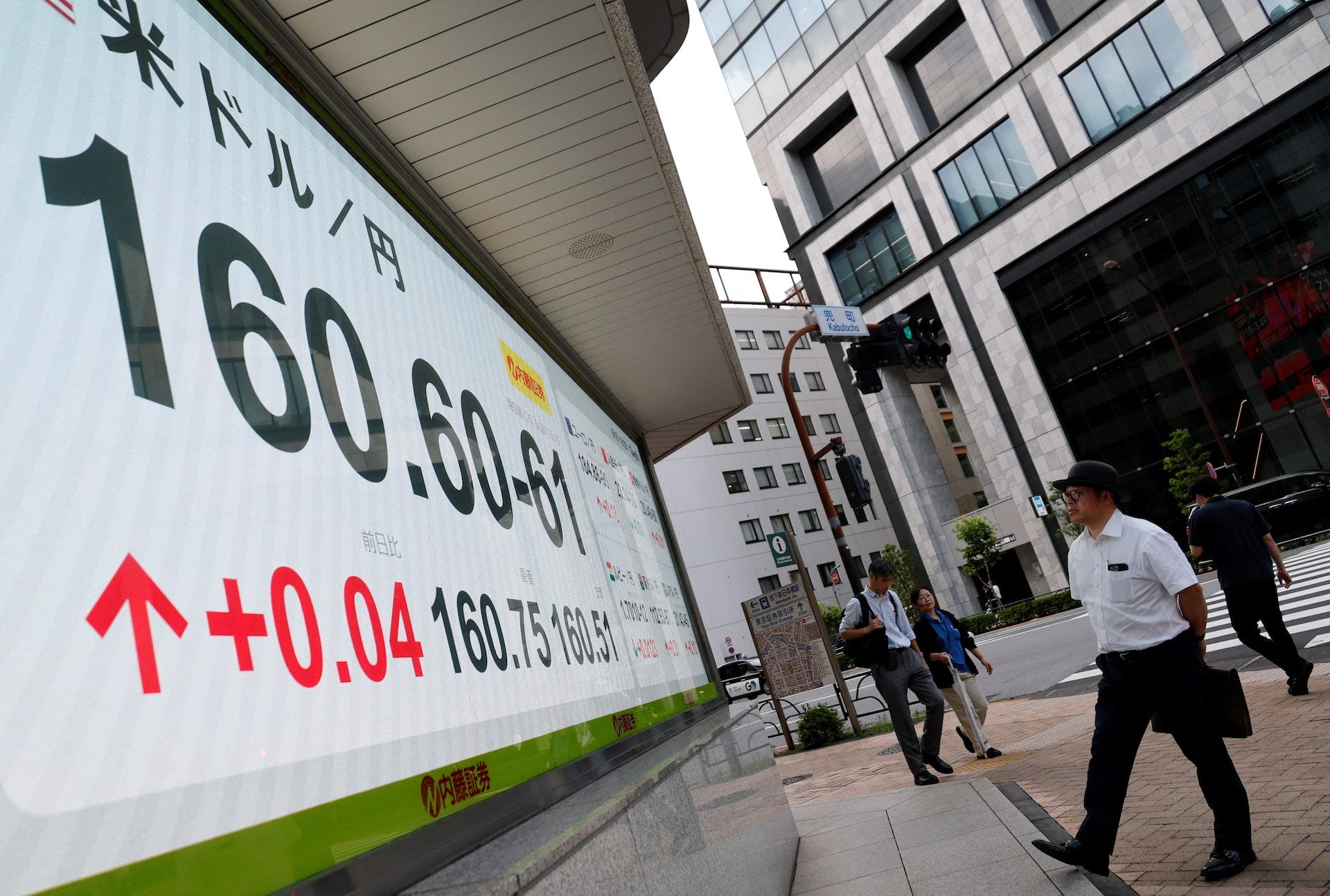
The Bank of Japan hiked interest rates to 1.25%, the highest level in 31 years. Normally that’s the kind of move that makes a currency stronger, since higher rates tend to pull in foreign money. Instead, the yen weakened.
Why markets reacted
This is where “priced in” comes into play. Traders had already been expecting Japan to get more aggressive, so a hike alone wasn’t enough to impress anyone. Meanwhile the dollar was strengthening on its own for unrelated reasons, and when the dollar is having a strong week, it tends to win out over almost everything else, even a rate hike somewhere else. Good reminder that markets react to surprises, not just to whether something good or bad technically happened.
Market impact
BOJ hiked rates to 1.25%, a 31 year high
Yen weakened instead of strengthening
Dollar strength across the board overshadowed Japan’s move
Looking Ahead,
The Fed’s dot plot from this week’s meeting hinted at more than one more rate move before year end, so the next few Fed speeches are going to get picked apart for clues on timing. Also keep an eye on September 30, when Micron reports earnings. After a year of insane AI chip demand driving that stock up huge, this print is basically the first real check on whether the memory boom has enough trust from investors.
— WallStreetWagon
The Wall Street wagon could find a cure for cancer