



Oil Surges as Middle East Tensions Rise

Military strikes in the Middle East escalated sharply after coordinated U.S. and Israeli strikes on Iran targeted military and leadership sites. On Feb 28, Iran retaliated with strikes throughout the Middle East, and restricted shipping through the Strait of Hormuz: a chokepoint for ~20% of global oil trade. The restriction saw about 70% of shipping suspended on March 1st.
Why markets reacted
As previously mentioned, around 20% of global oil trade is transported through the Straight of Hormuz. Iran restricting the flow of trade greatly reduced transport of oil through the passage. As tensions increase and supply of oil being at risk, Crude Oil prices rise.
According to Reuters, analysts warned oil could spike toward $100 per barrel, and prices already jumped about 10% after the strikes.
Market impact
Crude Oil increased ~2.5%, 7-month highs
Energy stocks rose
Airlines and transport stocks fell
Inflation fears increased
AI Fears and Tariff Risks Weigh on Markets
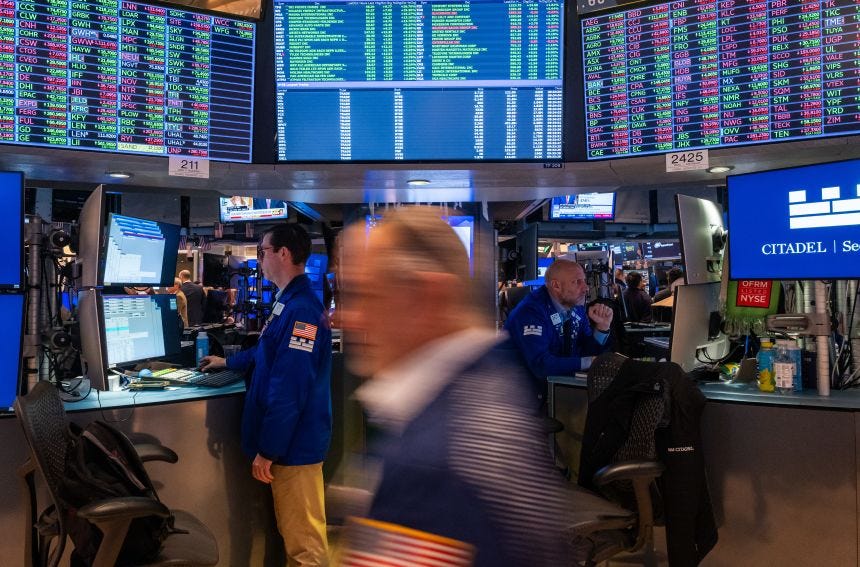
Markets fell mid-week (Feb 24-26) as investors questioned the sustainability of AI spending and rising global trade tensions.
Despite continued AI spending, investors began questioning whether tech companies can keep up with the massive spending required for AI infrastructure (such as chips, data-centers, energy). Some analysts warned profit margins could shrink if AI costs keep rising faster than revenues.
At the same time, new U.S. tariffs revived fear around companies reliant on global supply chains. These companies, especially tech and manufacturing, could face higher costs and weaker demand.
Why markets reacted
AI has been the main driver of market gains over the past year. If AI is deemed unprofitable in the future, tech stocks could weaken. Tariffs add another layer of worry: higher import costs, supply chain disruption, and weaker global trade.
Market impact
Nasdaq −1.0% for the week
S&P 500 −0.4%
Nvidia −4%
Software and semiconductor stocks noticeably lower
Stocks slide into March After Weak February
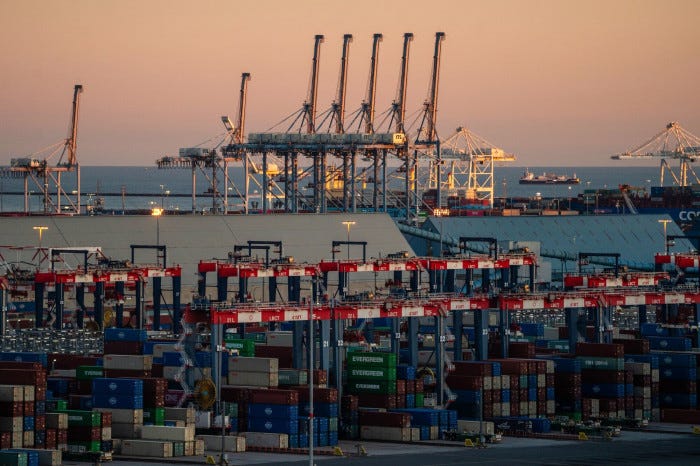
U.S. stocks closed the final week of February (Feb 23–27) lower, extending a month-long loss as the world saw rising geopolitical tensions, oil shocks, and uncertainty around AI growth.
February saw multiple market pullbacks as new risks emerged including Middle East conflict escalation, tariff threats, and concerns tech earnings in the future.
By the end of the month, investors’ confidence weakened heading into March, with traders becoming more cautious ahead of upcoming economic events and earnings.
Why markets reacted
Markets had rolled strongly into early 2026, driven largely by AI optimism.
But February introduced several new risks at once. Shock and fear drove traders to back out of investments, lowering overall market gains.
Looking Ahead
Investors enter March with uncertainty and caution after February’s market changes.
Several developments could drive the market this week. Watch out for:
Middle East Tensions and Oil Risk
AI earnings and tech sentiments
New tariff discussions
Stay tuned as oil, AI, and trade continue to shape markets.
— WallstreetWagon