

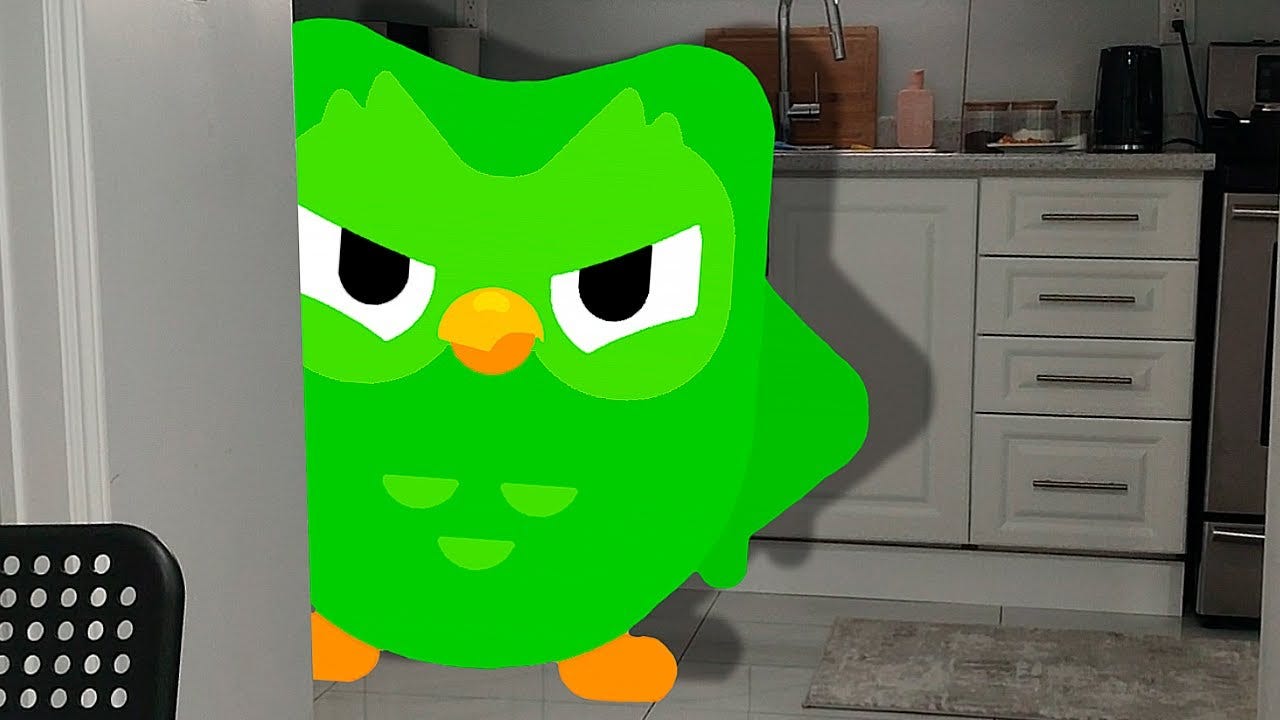
You ignored Duo on Monday. And Tuesday. You told yourself you'd do it tomorrow. Tomorrow became last week. Last week became last month. Somewhere between your 47th ignored notification and your broken one week streak, Duolingo made $150 million. From people exactly like you.
How a Free App Prints Money
Duolingo runs on a freemium model. The app is completely free: every language, lesson, and level. No textbook or classroom. It’s just you, a cartoon owl, and an uncomfortable amount of guilt when you skip a day.
If you want to get rid of the ads and protect Duo’s feelings, you pay $7 a month for Super Duolingo. That’s the entire pitch.
On the surface it sounds like a terrible business. Give everything away for free, hope enough people pay $7. Except 500 million people have downloaded it, and Duolingo is worth over $7 billion. So something is clearly working.
The Problem Nobody Talks About
Here’s the uncomfortable math: less than 8% of Duolingo’s users ever pay for anything.
That means 92% of people, hundreds of millions of users, open the app, do their lessons, rack up streaks, ignore Duo for three months, come back, lose the streak, repeat… and never spend a dollar. For most companies, that would be a crisis. For Duolingo, it’s the entire strategy.
The real problem isn’t getting people to pay. It’s getting people to stay. The average user quits within two weeks. Languages are hard. Progress is slow. Life gets in the way. Duo sends a notification. You ignore it. He gets increasingly unhinged about it.
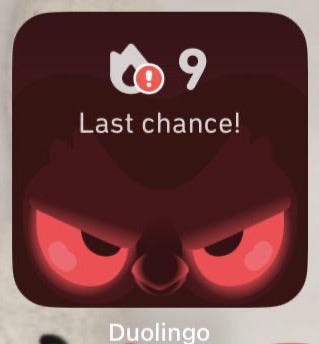
That churn problem almost broke the company, until they figured out that guilt is actually an incredibly powerful retention tool.
The Owl Was Never an Accident
At some point Duolingo’s marketing team made a decision that changed everything: they stopped selling language learning and started selling Duo himself.
The passive aggressive notifications. The memes. The TikTok account where Duo stalks celebrities, threatens users, and many more odd videos. None of that was random. It was a calculated bet that if people had a personal relationship with the mascot, even a slightly threatening one, they’d keep coming back.
It worked. Duolingo’s TikTok grew to over 10 million followers. News outlets covered the owl like a celebrity. The marketing went viral on its own, replacing an entire ad budget with free attention. Every meme about Duo guilting you into doing your Spanish lesson was free advertising worth millions.
The lesson: Duolingo doesn’t sell language learning. It sells a feeling: the slight anxiety of disappointing a cartoon bird. And that feeling keeps 500 million people coming back.
Where The Real Money Hides
Super Duolingo subscriptions are the main engine, but the most interesting revenue stream is one most users have never heard of: the Duolingo English Test.
Universities and employers worldwide accept it as proof of English proficiency, a direct competitor, but cheaper, faster, and taken from your laptop at home. At $59 per test, it’s a high margin, scalable product that has nothing to do with cartoon owls or Spanish lessons. It’s a serious B2B business quietly growing inside a app teenagers use to avoid doing their homework.
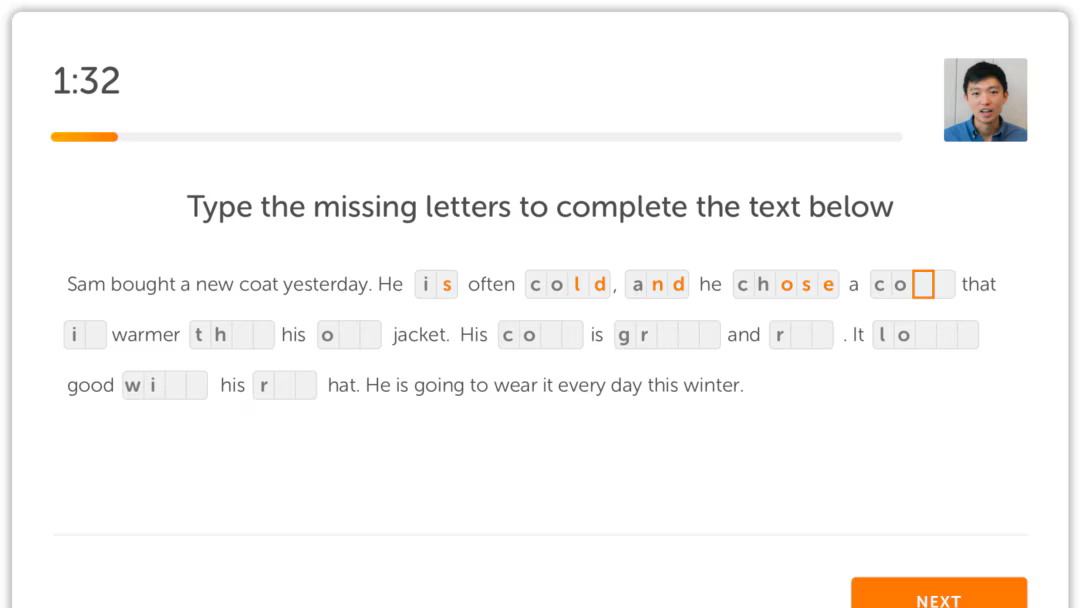
That combination with consumer subscriptions plus institutional testing is what makes Duolingo’s model genuinely smart. One side keeps the brand alive. The other side makes serious money.
What They’re Actually Building
Duolingo isn’t a language app. It’s a habit machine.
Every design decision: the streaks, the XP, the leaderboards, the daily reminders, the increasingly dramatic owl… All that exists to make opening Duolingo feel as automatic as checking Instagram. Not because they think you’ll become fluent. Because the longer they keep you in the routine, the more likely you eventually become one of the 8% who pays.
And once you pay, you stay. Paid subscribers churn at a fraction of the rate of free users. The whole free experience is an extremely long, extremely patient funnel designed to turn habit into revenue.
They’re not teaching you French. They’re teaching you to need them.
Duo Is Still Waiting
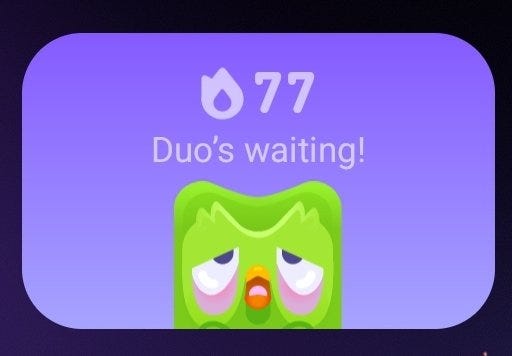
You’ve been ignoring him for three weeks. Duo’s fine. He’s worth $7 billion.
The next time that notification pops up, you’ll know exactly why he’s so desperate for you to come back. Your streak is his revenue. Your guilt is his product. And your $7 a month, if he ever convinces you, is exactly what he’s been after all along.
That’s Behind the Brand. Let us know which company we should break down next!
— WallStreetWagon
will duo get mad if i lost my 500 day streak