


Apple Bets $1,999 on Folding Phones
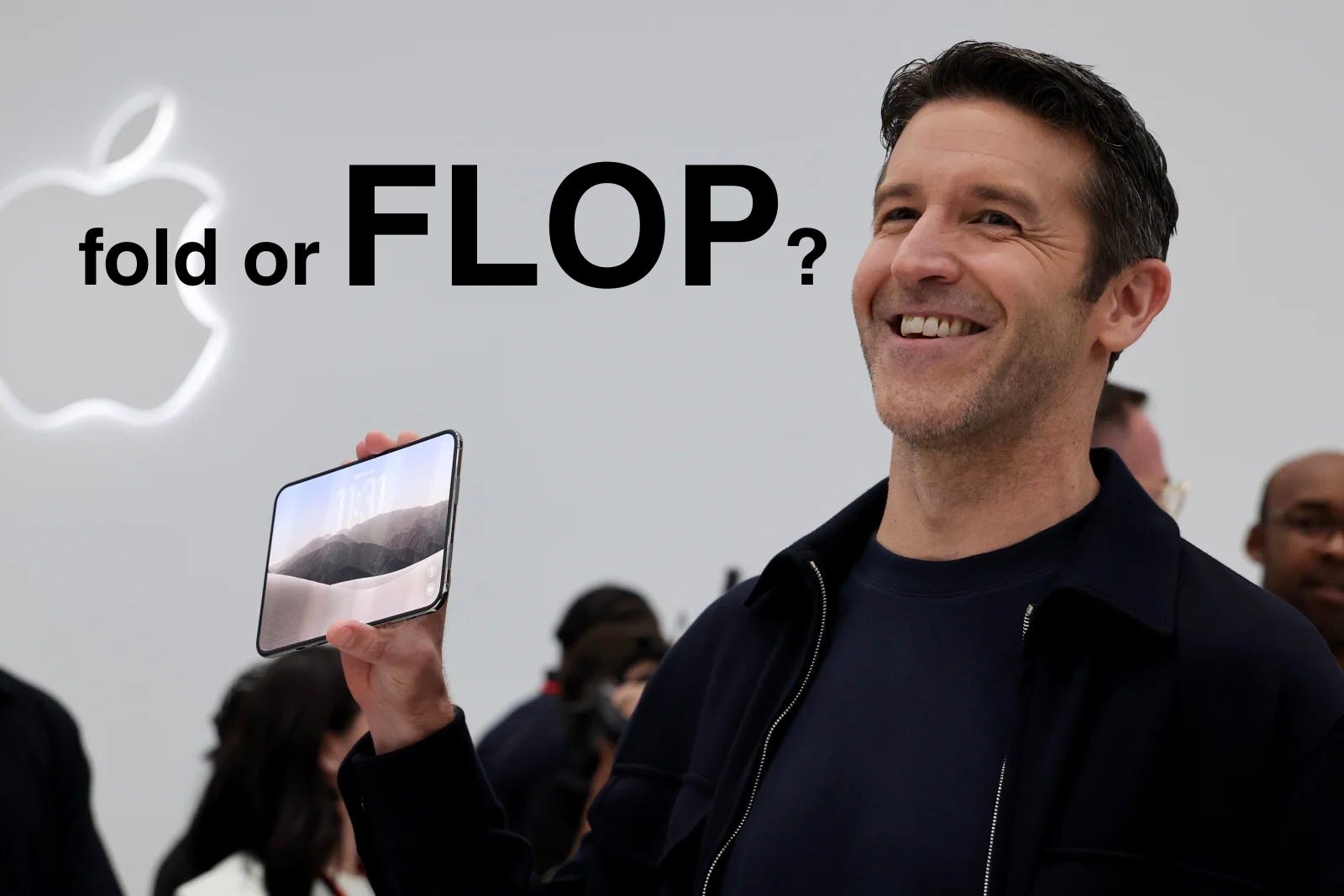
Apple unveiled its biggest iPhone redesign since 2007 this week: the foldable iPhone Duo, priced at $1,999 …more than some Mac computers cost. The stock dipped right after the announcement, which is normal for Apple launches, then reversed hard on Thursday and closed the week up almost 4%.
Why markets reacted
Foldable phones have been around for years without going mainstream, so the initial skepticism made sense. What changed investor sentiment was Apple’s track record: the company has a habit of entering categories late (MP3 players, smartphones, smartwatches) and turning them mainstream once it gets involved. Analysts got optimistic that Apple could do the same thing for foldables, especially with new CEO John Ternus using this as an early signature move.
Market impact
AAPL +4% for the week
Skyworks Solutions (Apple supplier) +19% for the week
iPhone Duo priced at $1,999, Apple’s most expensive phone ever
One Company’s Failed Trial Plummeted a Different Stock
Novartis reported disappointing results on an experimental cardiovascular drug called pelacarsen. The drug worked at lowering its target molecule, but it didn’t actually reduce heart attacks or strokes, which raised doubts about the whole scientific approach behind it. Amgen doesn’t even make that drug. But it’s developing something similar, and investors punished it anyway. Amgen had its worst single-day drop in more than two decades.
Why markets reacted
When a clinical trial fails, it doesn’t just hurt the company that ran it. If the failure challenges the underlying science, every other company betting on that same approach gets dragged down with it. That’s what happened here: Novartis’s failure raised the question of whether lowering that molecule matters at all, and Amgen’s whole pipeline bet got called into question by association.
Market impact
Amgen’s worst single-day decline in 20+ years
Healthcare was one of the market’s weakest sectors this week
Novartis shares also fell on the trial results
Washington Bought Into Quantum Computing
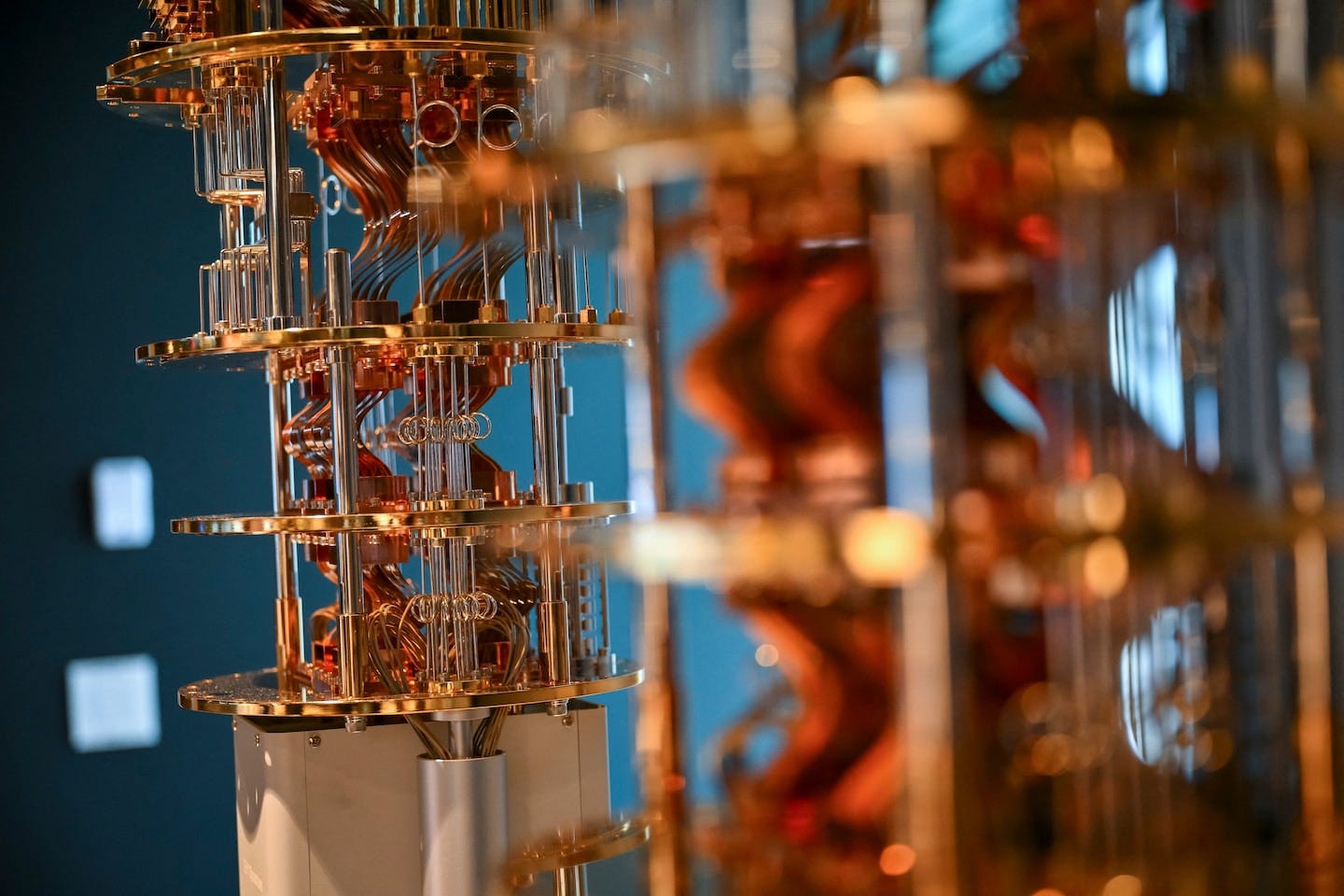
The US government finalized deals giving $100 million each to three quantum computing companies: D-Wave, Rigetti, and Quantinuum. In exchange, the government gets minority equity stakes, meaning taxpayers now literally own a piece of these companies.
Why markets reacted
This isn’t a typical research grant. Getting equity means the government is treating quantum computing the way it treats semiconductors and AI: as strategic national infrastructure, not just an industry to regulate from the sidelines. That’s a bigger shift than the dollar amount suggests, since it signals more of these deals could be coming for other emerging tech.
Market impact
$300 million total across the three companies
D-Wave, Rigetti, and Quantinuum all saw stock moves on the news
First time the government has taken direct equity stakes in quantum computing specifically
Looking Ahead,
The Fed meets next week, and a rate hike is basically expected at this point. What actually matters is what Fed Chair Kevin Warsh says afterward, whether this is a one-time move to calm inflation or the start of several more hikes. That answer will shape a lot more than just this one week.
— WallStreetWagon
The Wall Street wagon saved my burning building from a cat