



Oil Prices Skyrocket as Iran Conflict Escalates

Oil markets remained volatile this week as tensions between the U.S. and Iran continued following the Feb 28 strikes discussed in last week’s brief. Iran warned ships traveling through the Strait of Hormuz and several energy companies slowed shipping traffic through the region.
The situation kept energy markets on edge as traders assessed the risk of supply disruptions.
Why markets reacted
About 20% of global oil supply passes through the Strait of Hormuz. Even the possibility of disruption can quickly push oil prices higher.
Higher energy prices also increase inflation pressure, which could make it harder for the Federal Reserve to cut interest rates.
Market impact
WTI crude rose above $100 per barrel.
Energy stocks outperformed the general market.
Meanwhile, travel stocks like United and Delta fell around 5–6% as investors worried about higher fuel costs.
Weak Jobs Report Rattles Markets

Friday’s U.S. jobs report surprised investors when the economy lost about 92,000 jobs in February, far worse than expectations for modest growth. The unemployment rate rose to 4.4%, and previous job data was revised lower.
The report suggested the labor market, one of the strongest parts of the economy over the past two years, may be starting to weaken.
Why markets reacted
The labor market is a key signal of a well developing economy. If hiring slows, consumer spending and corporate earnings weaken as well.
At the same time, wages continued rising, raising concerns about stagflation: when economic growth slows but inflation remains high.
Market impact
Stocks fell sharply after the report.
The Dow dropped more than 450 points, while the S&P 500 fell about 1.3% and the Nasdaq around 1.6% during Friday’s session.
Financial and industrial stocks led market losses.
The Federal Reserve Faces a Difficult Decision
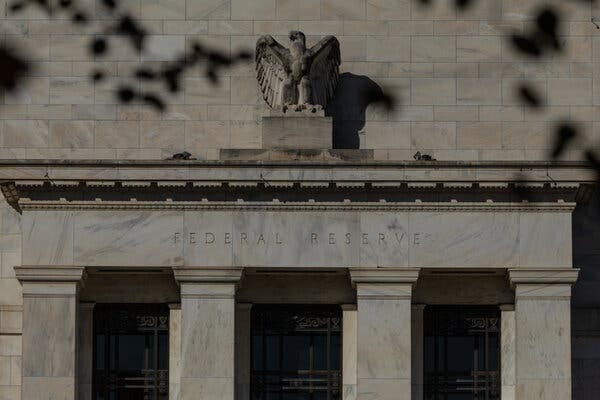
With oil prices rising and job growth weakening, the Federal Reserve now faces a complicated situation ahead of its March 18–19 policy meeting.
Markets had been expecting two interest rate cuts in 2026, but recent economic data and higher energy prices are making that outlook less certain.
Why markets reacted
Higher oil prices increase inflation pressure, while a weaker labor market signals slowing economic growth.
This creates a difficult balance for the Fed:
cut rates to support the economy, or keep rates higher to control inflation.
Market impact
Growth and tech stocks, which depend heavily on lower interest rates. led market losses during the week.
Meanwhile, energy and defense stocks were among the few sectors outperforming the broader market.
Looking Ahead,
Markets will focus on upcoming economic data, changes in the Middle East, and updates from the Federal Reserve after its meeting in March.
Stay tuned as the world watches Wall Street’s rough start to March.
— WallStreetWagon
This is my favorite newsletter